Ben Quilty
The Unimpressionist
The Ian Potter Centre: NGV Australia, Fed Square
Level 3
25 Mar – 19 Sep 27, ticketed
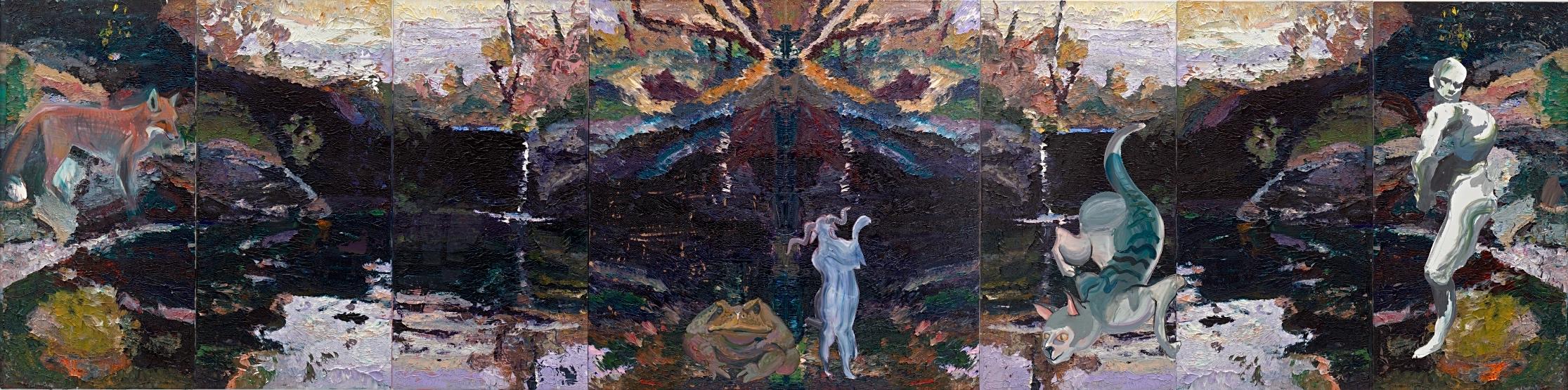
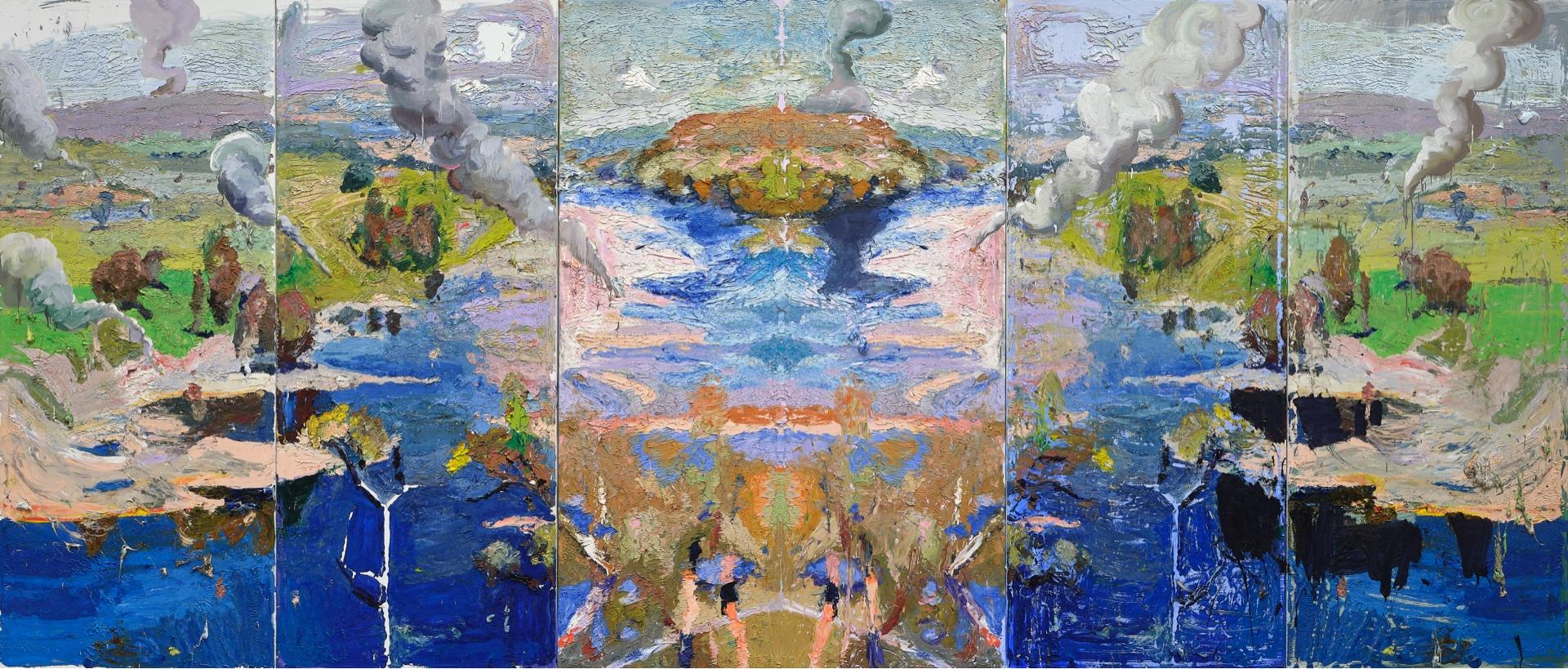
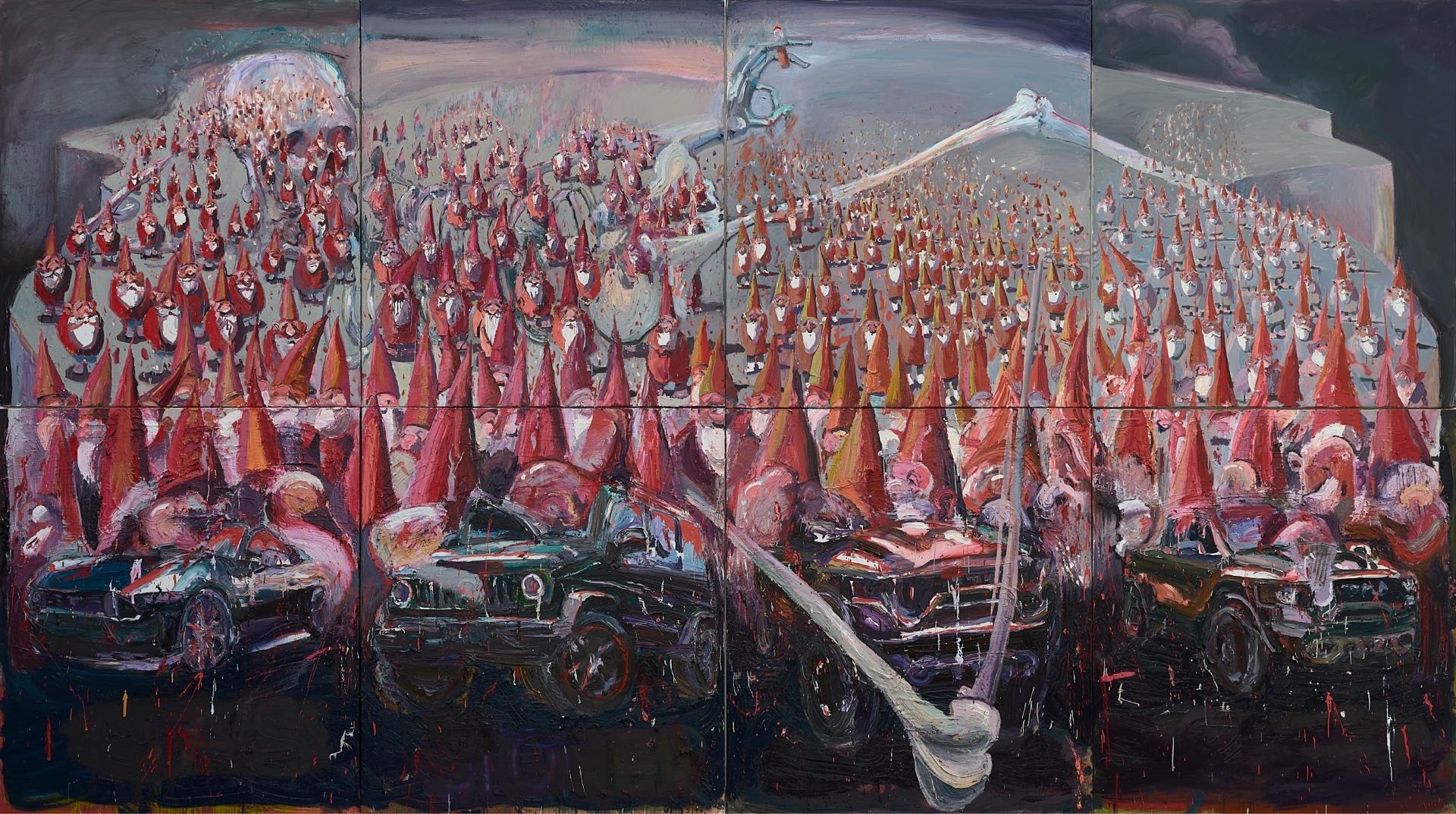
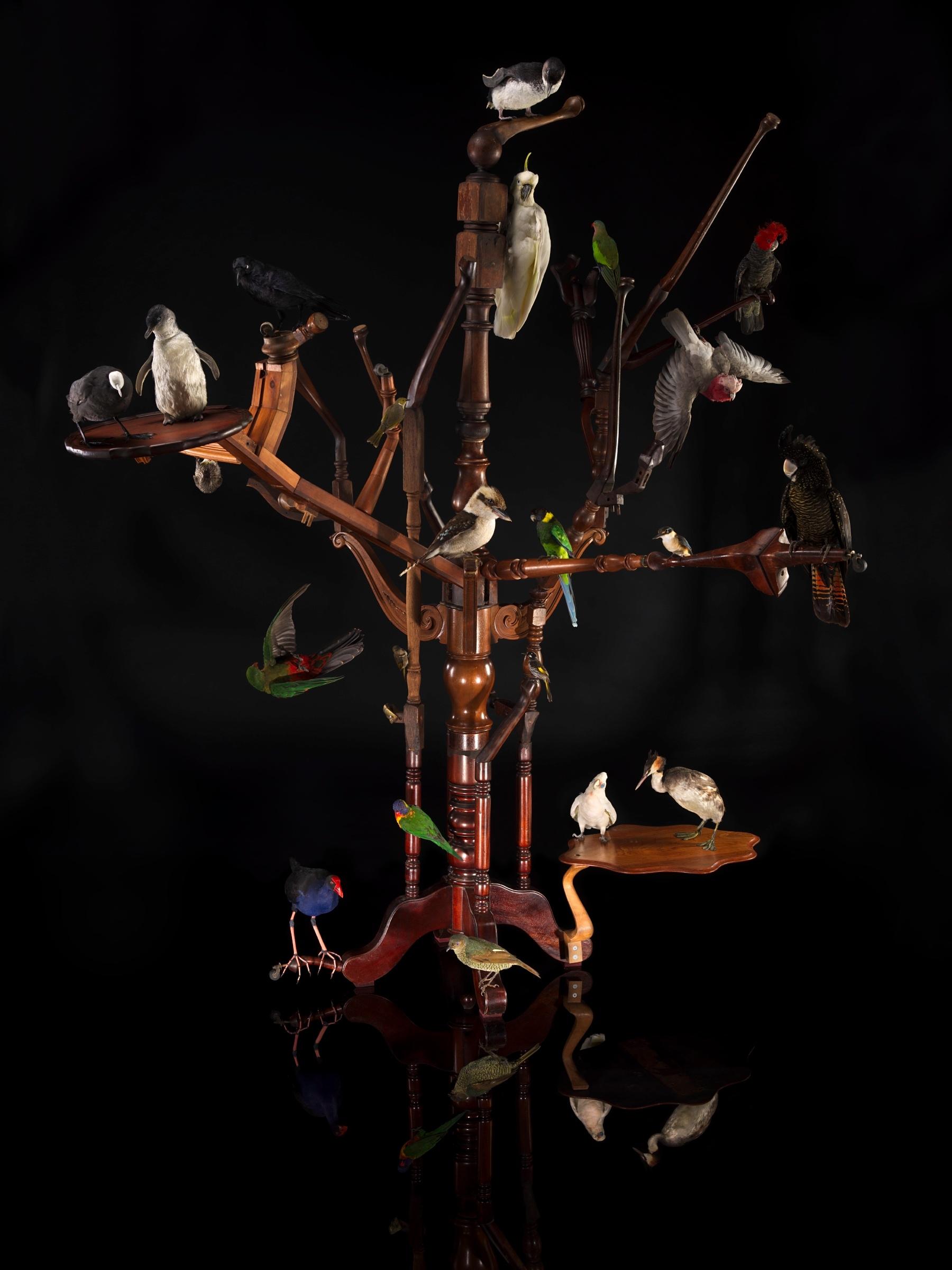
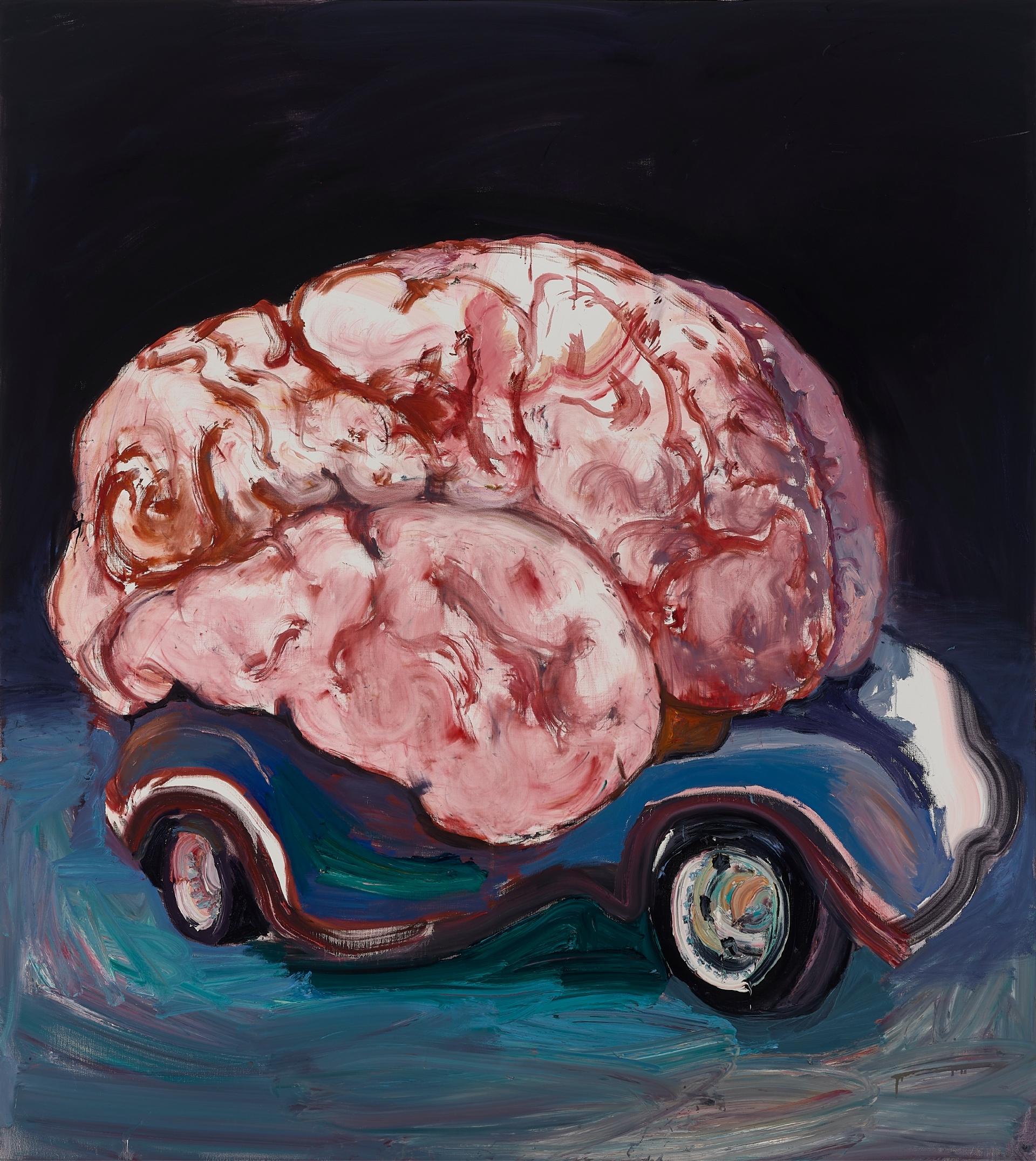
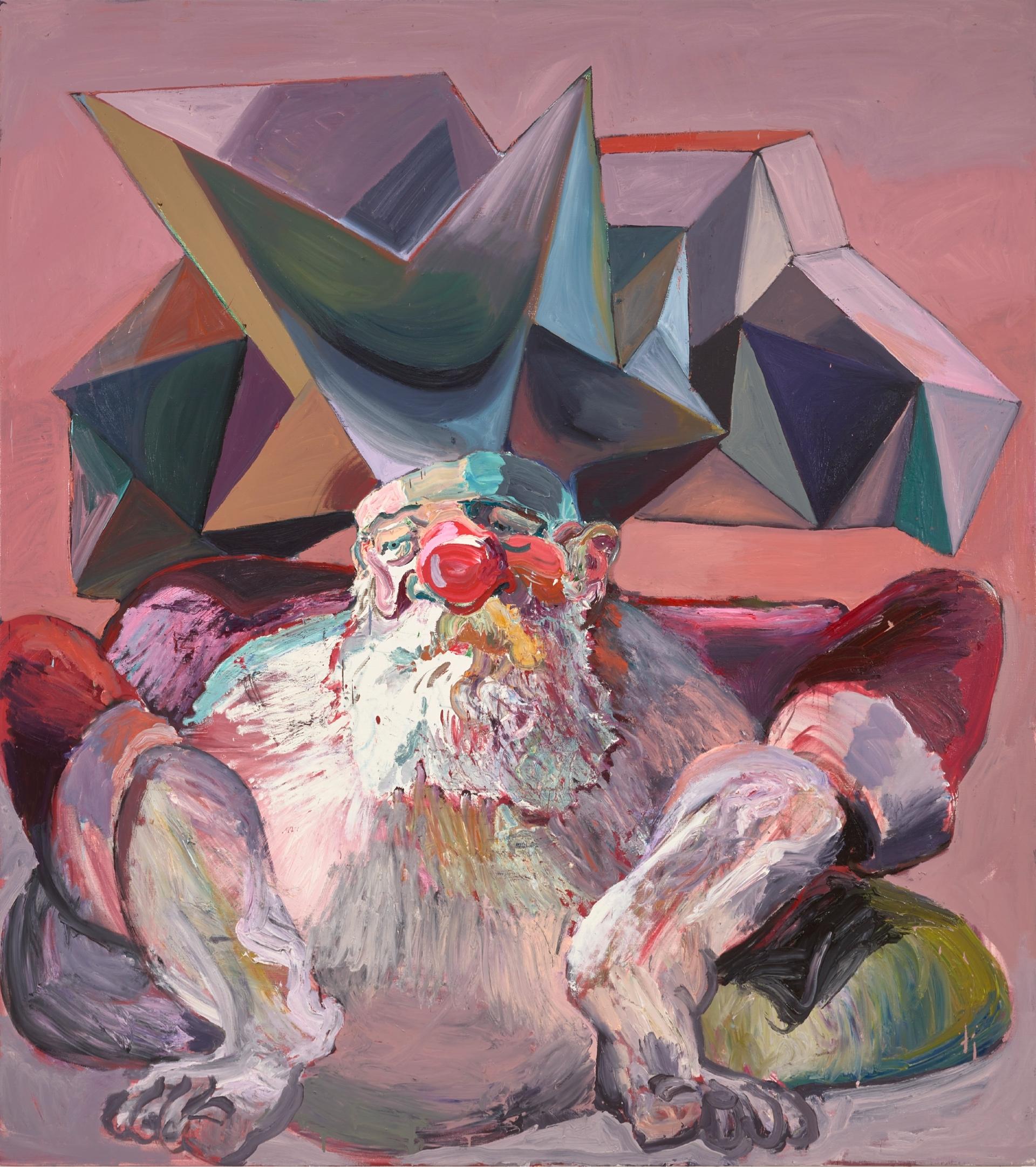
Over the past two decades, Ben Quilty’s practice has challenged assumptions and conventions of Australian landscape and figurative painting. Here, dubbed The Unimpressionist, he explores the legacy of Australian Impressionism, looking beneath the beauty of these landscapes to the stories of cultural erasure, environmental decay and loss. With his signature impasto canvases and watercolours presented alongside ambitious sculpture and installations, Quilty calls attention to the scale and immediacy of the climate crisis. He interrogates the complex histories and ongoing implications of Australia’s attitudes to ecological systems held in tension with an economy reliant on hyper-consumerism and perpetual growth.
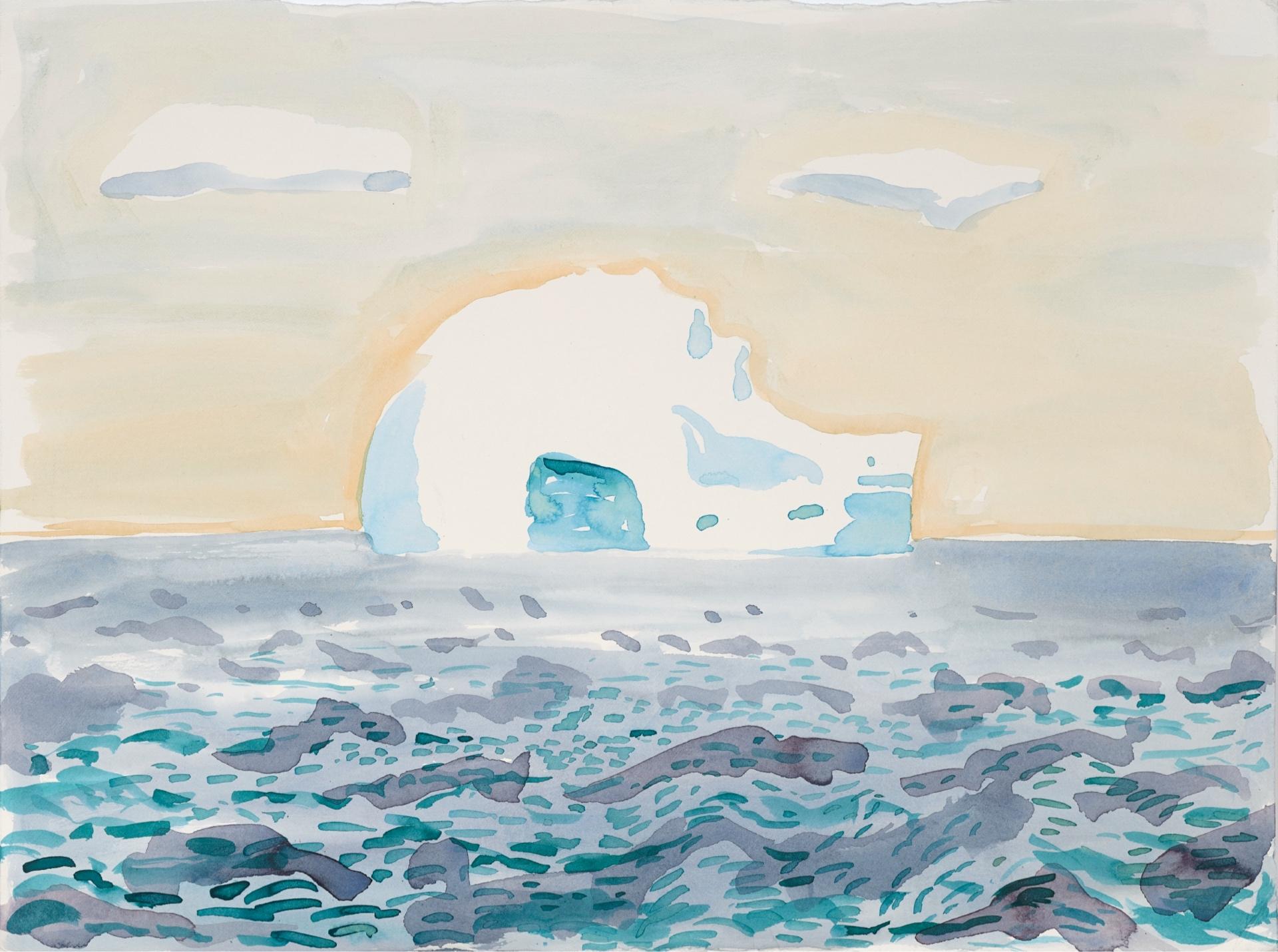
His exploration of the topic began with a trip to Antarctica, where Quilty witnessed the scale and instability of a changing environment, including glacial decline and the threat of avian influenza. The experience prompted him to consider how everyday life in Australia can have consequences in seemingly distant places. From Antarctica, Quilty turned his attention back home, situating climate change not in some distant or abstract future but within the systems, histories and everyday choices that shape our lives. He investigates the symbols, images and mythology held in public consciousness to reveal a hidden truth at their core.
“I know I’m not the only one to be deeply unimpressed with the lack of effective action on climate change and ecological decline. I am truly unimpressed. And I also grew up falling into Australian impressionism, the light, the landscape and its characters. I’ve been hugely inspired by the stand Arthur Streeton took against the environmental vandalism of his own time. This show examines the lens through which the Australian impressionist movement viewed and shaped the Australian landscape, but more poignantly, the role those paintings played in the mis-historicization of that period of Australian culture.”
– Ben Quilty
Select Works
Partners