Through portrait photography, Melbourne-based South Sudanese artist Atong Atem (born 1991, Ethiopia) uses her body as a canvas adorned with textiles, paint and symbolic objects. Richly layered and vibrant, Atem’s work draws together a lineage of African studio photography, family archives, Catholic imagery and science fiction, connecting the earth and cosmos.
Atem traces a transcontinental and intergenerational journey that honours the myths and traditions of Dinka Bor culture – a Nilotic ethnic group from South Sudan – which centralises the relationship between the individual, their environment and the ancestors. Her portraits explore performance, both in daily life and before the camera, creating spaces where history, memory and imagination intertwine. In this way, the artist’s body becomes a site where memories gather, taking the form of a map, a vessel or a constellation.
Passage is Atem’s first major Australian solo exhibition, presenting new and existing works by a leading contemporary photographer of her generation. Noting the neglect of East African contributions in mainstream art history, Atem places herself and her community within her photographs. Photography, historically used as a colonial instrument, becomes a tool for reclaiming agency – asking where we come from, where we belong, and what might exist beyond what we already know.
Atong Atem
South Sudanese Australian 1991–, born in Ethiopia, Australia since 1997
Self-portrait as a Martian
2016
inkjet print
Courtesy of the artist
Self-portrait as a Martian is one of Atem’s earliest photographs. It was created in her bedroom in Melbourne. Adopting the figure of a Martian, she imagines a different future. At the time, she was inspired by the science fiction of African American author Octavia E. Butler, who creates worlds of transformation and survival. In the spirit of Butler, this image projects alternate possibilities for Atem, who, at the time, felt like an outsider. Through this work, Atem speculates on existing in a world no longer defined by race or gender.
Atong Atem
South Sudanese Australian 1991–, born in Ethiopia, Australia since 1997
Ego 1
2019
inkjet print
Purchased, Victorian Foundation for Living Australian Artists, 2022
2022.1554
Ego 2
2019
inkjet print
Courtesy of Brett Archer, Melbourne
In this series, Atem treats the camera as if it were a brush, creating portraits saturated with colour, particularly indigo. Indigo dye holds historical, cultural and folkloric significance across the Sudan region, which has a longstanding heritage of indigo-dyed textiles and garments. Atem also links indigo to the poetic references of blue-black skin, used in Black literature and within music and poetry. For Atem, the colour is a symbol of her cultural connection. As she says, ‘Skin becomes a character. Whether we like it or not, our bodies get read. Choosing to engage with that through colour and stylisation becomes a conscious act.’
Left, top to bottom:
Atong Atem
South Sudanese Australian 1991–, born in Ethiopia, Australia since 1997
Akuot
2015, printed 2019
from the series Studio Series 2015
inkjet print
Purchased, Victorian Foundation for Living Australian Artists, 2019
2019.836
Morayo
2015, printed 2019
from the series Studio Series 2015
inkjet print
Purchased, Victorian Foundation for Living Australian Artists, 2019
2019.833
Centre:
Paanda
2015, printed 2019
from the series Studio Series 2015
inkjet print
Purchased, Victorian Foundation for Living Australian Artists, 2019
2019.834
Right, top to bottom:
Adut
2015, printed 2019
from the series Studio Series 2015
inkjet print
Purchased, Victorian Foundation for Living Australian Artists, 2019
2019.832
Adut and Bigoa
2015, printed 2019
from the series Studio Series 2015
inkjet print
Purchased, Victorian Foundation for Living Australian Artists, 2019
2019.835
The Studio Series is inspired by the West African studio photographers Malick Sidibé (Mali, 1935–2016) and Seydou Keïta (Mali, 1921–2001). In their portraits, sitters were captured with dignity, celebrating style and community life. Atem brings an East African perspective to this portrait tradition while photographing her own Melbourne community. She engages with the codes of the studio, questioning the posing of bodies, the wearing of clothes, and the way backgrounds organise meaning. The photographs in this series express cultural continuity.
Left to right:
Atong Atem
South Sudanese Australian 1991–, born in Ethiopia, Australia since 1997
Men in this town 01
Men in this town 02
Men in this town 07
Men in this town 05
Men in this town 06
2024
from the series Men in This Town 2024
inkjet prints
Courtesy of the artist
Men in This Town treats portraiture as performance. For Atem, a portrait is always connected to its surroundings, history, geography and the social powers that shape what it depicts. Through self-portraits, she explores gender and authority, examining how South Sudanese male politicians communicate power through their clothing and gestures. In these works, the cowboy hat is a borrowed symbol of Texan wealth and masculinity. Tied to a gift from the former United States President George W. Bush to the then-President of Sudan Salva Kiir Mayardit, the symbol was later adopted in South Sudanese political life.
Left to right:
Atong Atem
South Sudanese Australian 1991–, born in Ethiopia, Australia since 1997
Dijok
Sahara
Saba and Gabby
2020
from the series To Be Real 2020
inkjet prints
Commissioned by Immigration Museum, Melbourne. Art Gallery of New South Wales. Purchased with funds provided by the Photography Collection Benefactors, 2021
76.2021.1
76.2021.3
76.2021.2
In this series, Atem’s portraiture responds to the legacy of ethnographic photography, which reduced African subjects to objects of study rather than capturing people’s individuality. Atem approaches each portrait as a collaboration, working closely with each sitter to decide how they want to be presented. While photographing, she turns the studio into a space of shared agency. Through colour, costume, props and pose, the images shift in nature, alternating between earnest, satirical, humorous and ritualistic. At times revealing the apparatus within the studio, the series exposes the mechanics of image-making as a constructed act, while enabling sitters to claim authority over their own representation.
Left to right:
Atong Atem
South Sudanese Australian 1991–, born in Ethiopia, Australia since 1997
Patron saint of lapdogs
Red dust sticks to you
Maria of Mars
2022
from the series Maria of Mars 2022
inkjet prints
Commissioned by the National Gallery of Victoria, Melbourne. Purchased, Victorian Foundation for Living Australian Artists, 2022
2022.1563
2022.1562
2022.1561
In Maria of Mars, Atem works within the framework of Africanfuturism to explore how spirituality, beliefs and symbols travel across cultures and into new worlds. Drawing on Catholic iconography, in particular the Madonna and various saints, she considers how the strict doctrine of Christianity has been reinterpreted around the world. She asks, if we were to colonise Mars, who would become its patron saint? What rituals and mythologies would evolve around the first children born in space?
Atong Atem
South Sudanese Australian 1991–, born in Ethiopia, Australia since 1997
A yellow dress, a bouquet
2022
inkjet print
Art Gallery of New South Wales, La Prairie Art Award 2022
78.2022
In this series, Atem draws on the pictorial language of classical Western painting. Her use of drapery and veils references these painterly traditions. Atem’s images simultaneously subvert this Western history, challenging the idealisation of whiteness. Face paint is used as a symbol of alienation, manifesting as an act of defiance against cultural invisibility.
Atong Atem
South Sudanese Australian 1991–, born in Ethiopia, Australia since 1997

1. Studio 85
2. Bridesmaids 2
3. Mama
4. Our Neighbor Was a Witch
5. The Bridesmaid 3
6. fabric 1
7. Cowboy
8. Paper twins
9. Josephine Margaret Bakhita
10. Yellow Dress 2
11. Blue Suit
12. fabric 3
13. I Have Two of Everything 1
14. Veil of Pearls
15. The Bride Wore Pearls 1
16. The Most Beautiful Pearl
17. The Engagement
18. fabric 2
19. Bride with Veil
20. Tracksuit Twins (Uncles in America)
21. Nyanluak
22. fabric 4
23. The Cowboy 4
24. Back of Bridesmaid
25. Yellow Dress 1
26. Kohl and Veil
27. Twin Hat
28. Nyanluak and Nancy
29. The Engagement 2
30. Atoch and Atong in Kenya
2022
from the series Surat 2022
inkjet prints
Commissioned by PHOTO Australia. Purchased, Victorian Foundation for Living Australian Artists, 2026
‘We carry the presence of people we’ve never met but who live on through us through names, practices and photographs.’ – Atong Atem
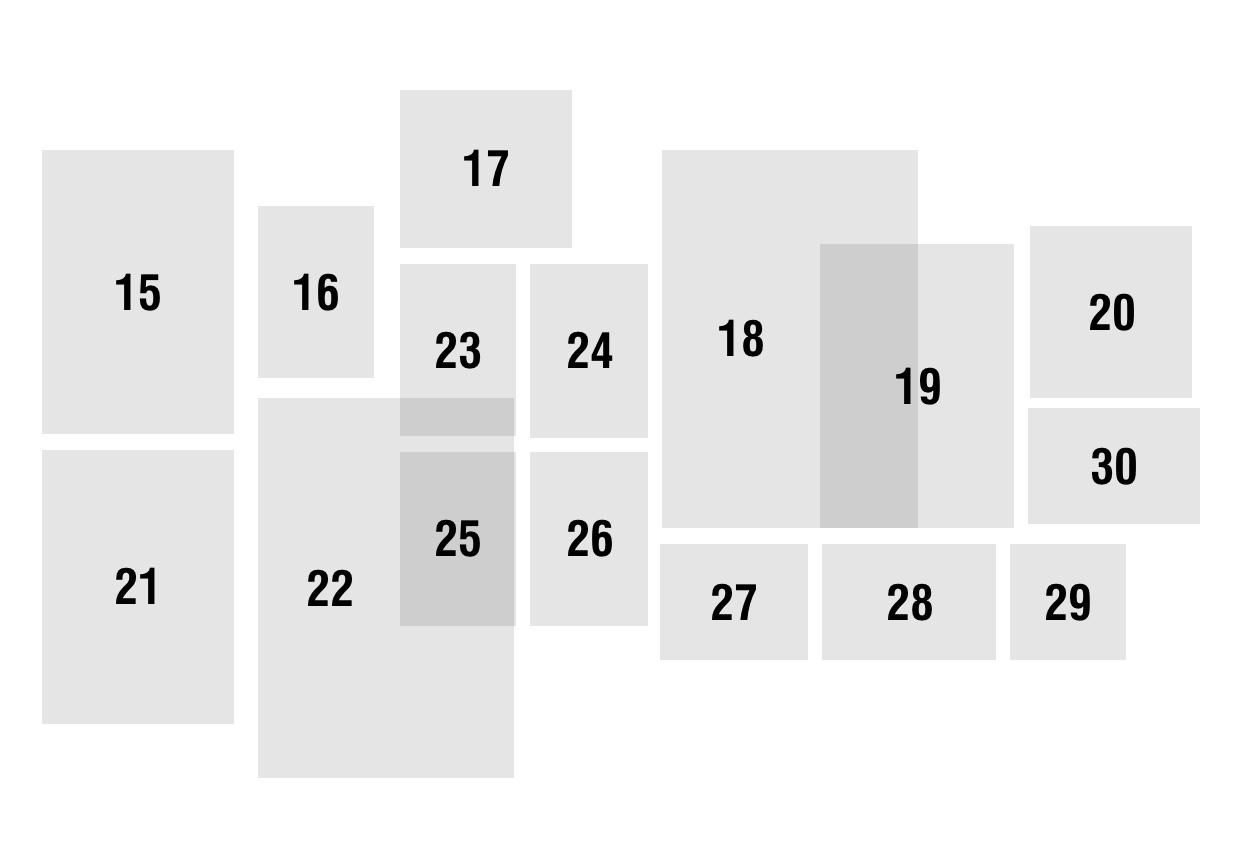
Surat, meaning ‘photograph’ in Sudanese Arabic, includes family portraits of Atem’s relatives, where she uses her own body as a conduit for ancestral connection. She explores the mythological and collective potential of portraiture, noting that some of her relatives are only known to her through images kept by her family. Similarly, textiles and clothing are held within a family and passed down through generations. In Dinka Bor culture, names are inherited. Atem received her name from her grandmother – Atong, given to those born during war. Atem’s photography represents these intergenerational stories of cultural inheritance.
New acquisition
Atong Atem
South Sudanese Australian 1991–, born in Ethiopia, Australia since 1997
Dust #5
Dust #4
2023
from the series Dust 2023
inkjet prints
Commissioned by PhotoIreland Festival, 2023. Courtesy of the artist
The Dust series places Atem’s body into a direct relationship with the earth. She references Dinka Bor origin stories, in which the first man and woman were made of the earth. The dust represents Piny nhom (the ground), the opposite of heaven and the place humans maintain a connection with while they are alive. Taken while pregnant with her first child, this work considers the ongoing cycles of creation and inheritance.
Atong Atem
South Sudanese Australian 1991–, born in Ethiopia, Australia since 1997
What we were given
2024
from the series Scars and Constellations 2024
inkjet print
Courtesy of the artist
Atem considers how water, often seen as a symbol of renewal, also carries a history of violence. Utilised to transport bodies during the transatlantic slave trade, the sea became a colonial tool. Atem draws a parallel between the ship and the human body, denoting them both as vessels, particularly women’s bodies and those with wombs. Like ships, bodies are marked by movement, trauma and transformation.
Atong Atem
South Sudanese Australian 1991–, born in Ethiopia, Australia since 1997
Tidal mother
2024
from the series Scars and Constellations 2024
inkjet print
Courtesy of the artist
Atong Atem
South Sudanese Australian 1991–, born in Ethiopia, Australia since 1997
Scars and Constellations series
2024
inkjet prints
Commissioned by the National Maritime Museum, Amsterdam (Het Scheepvaartmuseum). Courtesy of the artist
Scars and Constellations considers the sea and the sky, both inherently neutral elements, which have been made political through colonial trade. In this series, Atem reflects on the architectural history of the National Maritime Museum in the Netherlands, a former shipyard for Dutch East India vessels. The series also includes scarification, an important Dinka Bor cultural practice, traditionally used for ritual and healing. In these images, scarification also symbolises Western intervention and conflict. Around the body are constellations of stars, which were once used to navigate the oceans; now, they are markers of ancestry and survival.
Atong Atem
South Sudanese Australian 1991–, born in Ethiopia, Australia since 1997
Banksia series
2021
inkjet prints
Commissioned by RISING Festival 2021 and Illuminate Adelaide in partnership with The Neilson Foundation. Gift of the artist and MARS Gallery, Melbourne, 2023
2023.316
2023.315
2023.314
2023.312
2023.313
2023.311
2022.1557
2022.1556
2023.307
2022.1558
2023.308
2023.310
2023.309
In Banksia, Atem explores the often-forgotten stories of African, African American and Caribbean convicts and free settlers who arrived with the First Fleet and were forced to navigate the colonial system. The work takes its name from the banksia plant, known for its resilience and named by Joseph Banks, the botanist on the First Fleet. Filmed at Melbourne’s Immigration Museum, the grand European architecture of the building becomes the backdrop for the work. The series closes on a henna celebration, a traditional Sudanese gathering marked by adornment, song and dance, representing communal joy.
Atong Atem
South Sudanese Australian 1991–, born in Ethiopia, Australia since 1997
A facet for every turn
2022
inkjet print on silk
Courtesy of the artist
To create this self-portrait, Atem drew on the manifesto of the 1970s North Sudanese artists, the Crystalist Group, who viewed the facets of a crystal as spiritually rich, and understood identity as prismatic and representative of the microscopic and the cosmic. The work incorporates scanned family photographs alongside Atem’s mother’s handwritten notes. By placing family at its centre, the installation reflects the relational core of Dinka culture, where the self exists only in connection to everything around it.
Atong Atem
South Sudanese Australian 1991–, born in Ethiopia, Australia since 1997
As above
2026
inkjet print on vinyl
Purchased, NGV Supporters of Photography, 2026
As above continues Atem’s ongoing engagement with large-scale wall commissions and expanded photography. In this work, she performs a traditional Dinka dance dressed in ceremonial beading. Since the arrival of Catholicism in South Sudan, this dance is often performed at religious events. Here, Atem draws on the astronomical false cross – star groupings that resemble the Southern Cross but are not part of it – suggesting that her own figures might form a false constellation of their own. The work explores how we locate ourselves within vast cosmic and cultural systems.
New acquisition
Atong Atem
South Sudanese Australian 1991–, born in Ethiopia, Australia since 1997
3 of cups
2025
from the series This Happened to You 2025–26
inkjet print on cotton, wood
Courtesy of the artist
Behind, left to right:
The hierophant
The red moon
The empress (Saint Monica)
10 of swords
Queen of pentacles
2025
from the series This Happened to You 2025–26
inkjet print on cotton, wood
Courtesy of the artist
This series reimagines the tarot as a language for shared human experience. Working within the deck’s mythological structure, Atem treats each card as an archetype, mapping the psychological states that recur across time and culture. Printed on cotton and hung like flags, the works take on the quality of banners, becoming public declarations rather than private divinations. In doing so, she highlights how tarot symbolism shifts between community and the individual. Atem uses the established language of tarot to place her own family, friends and cultural references within a symbolic structure of memory and collective imagination.