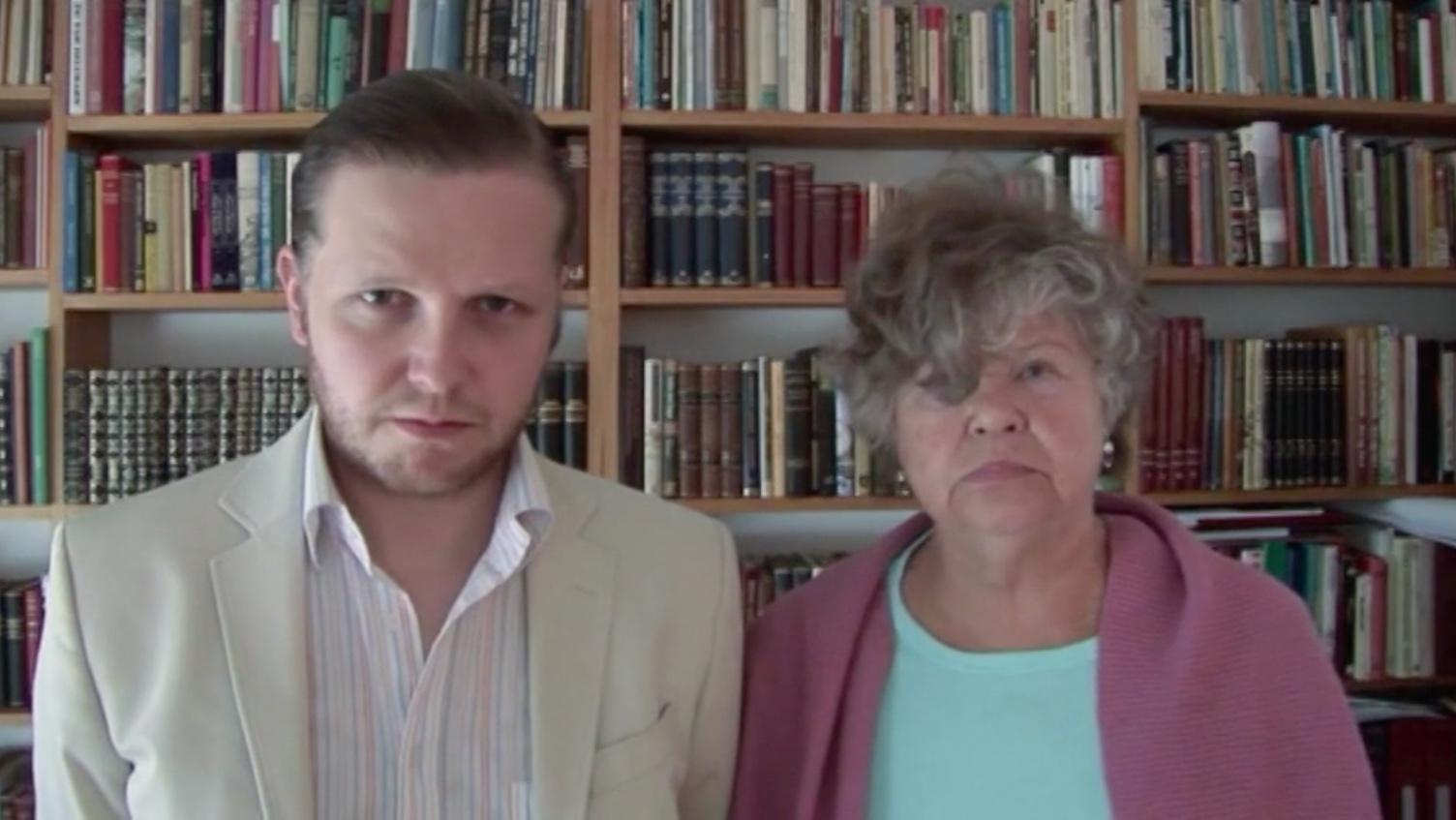
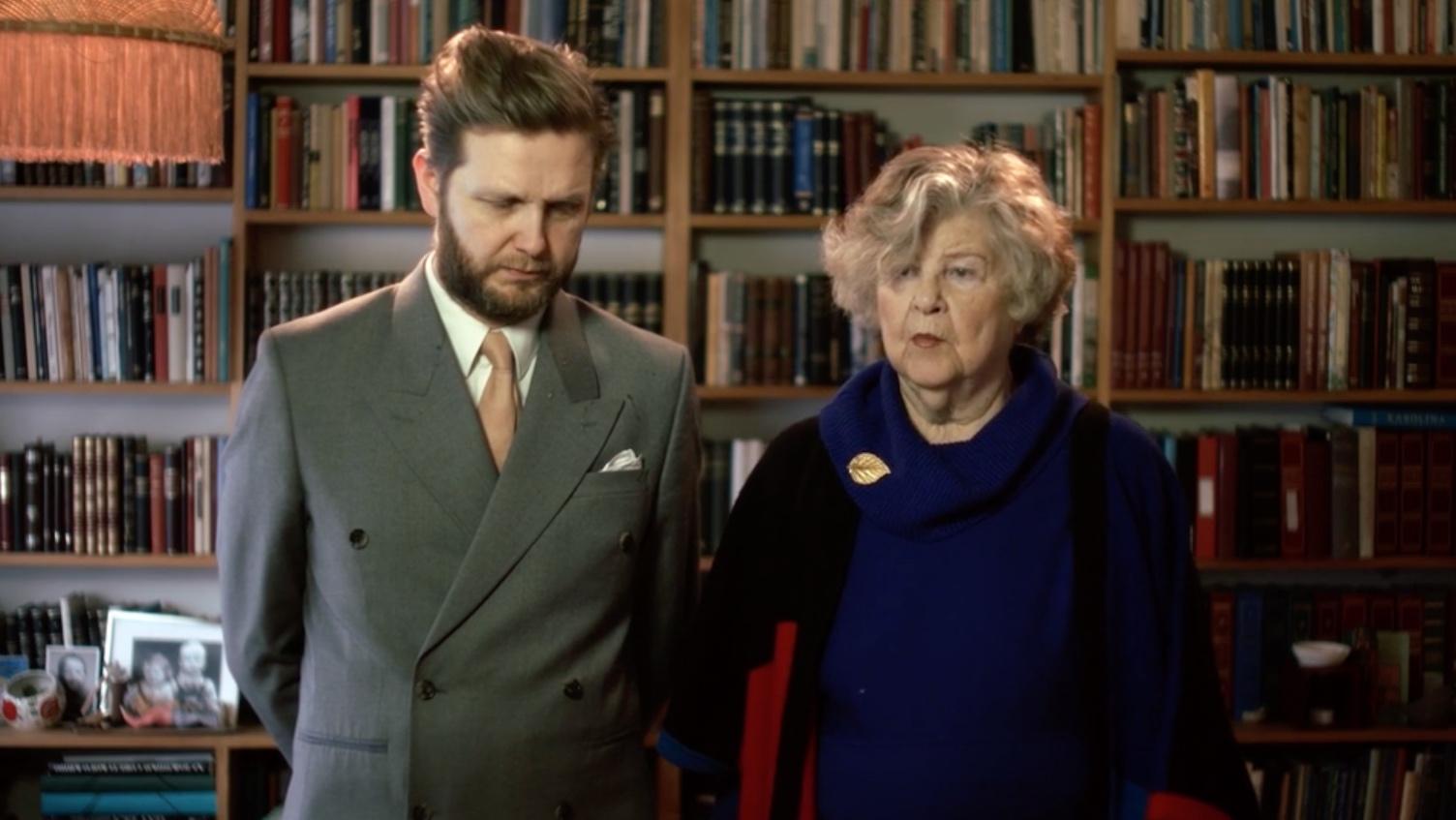
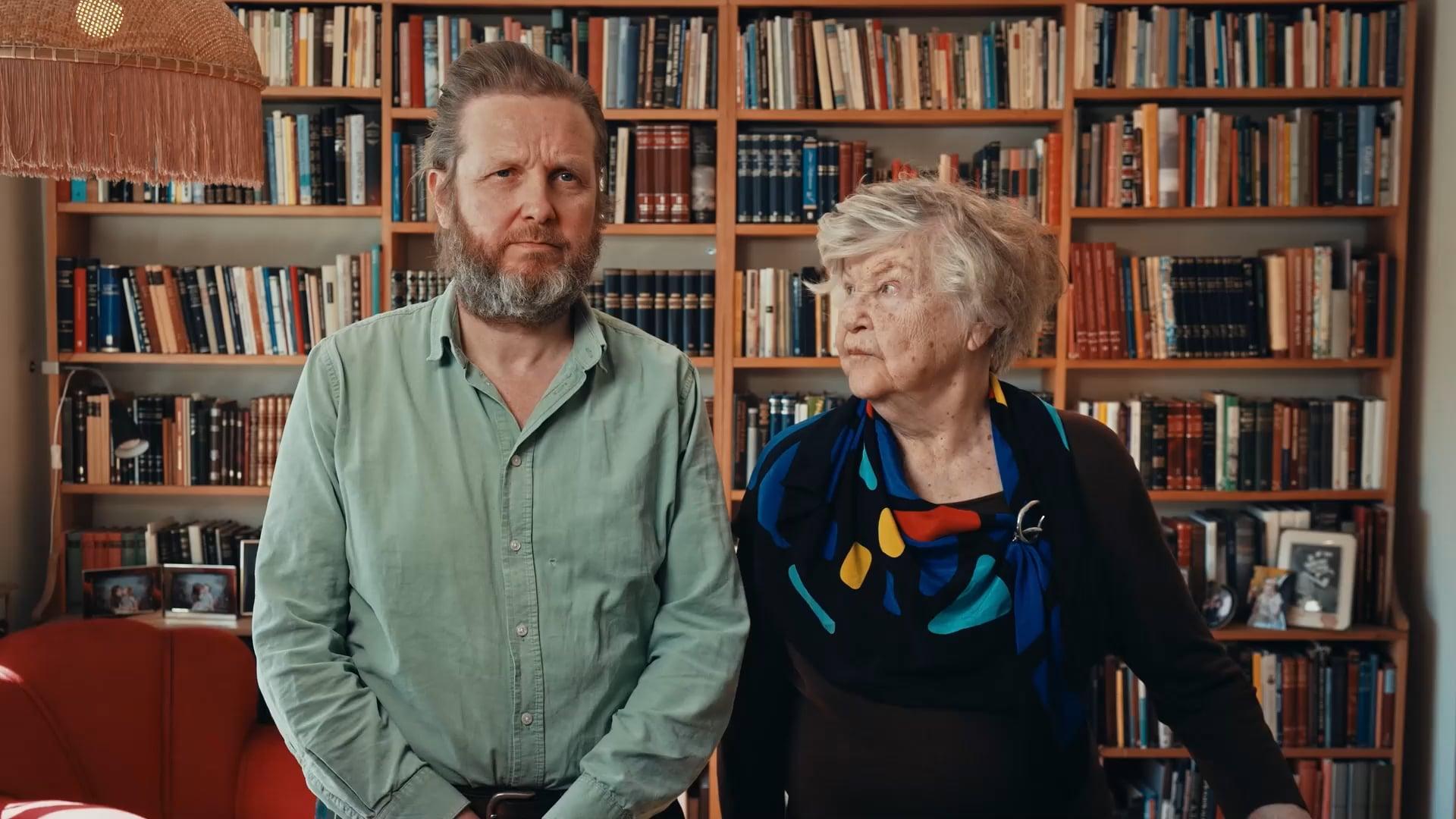
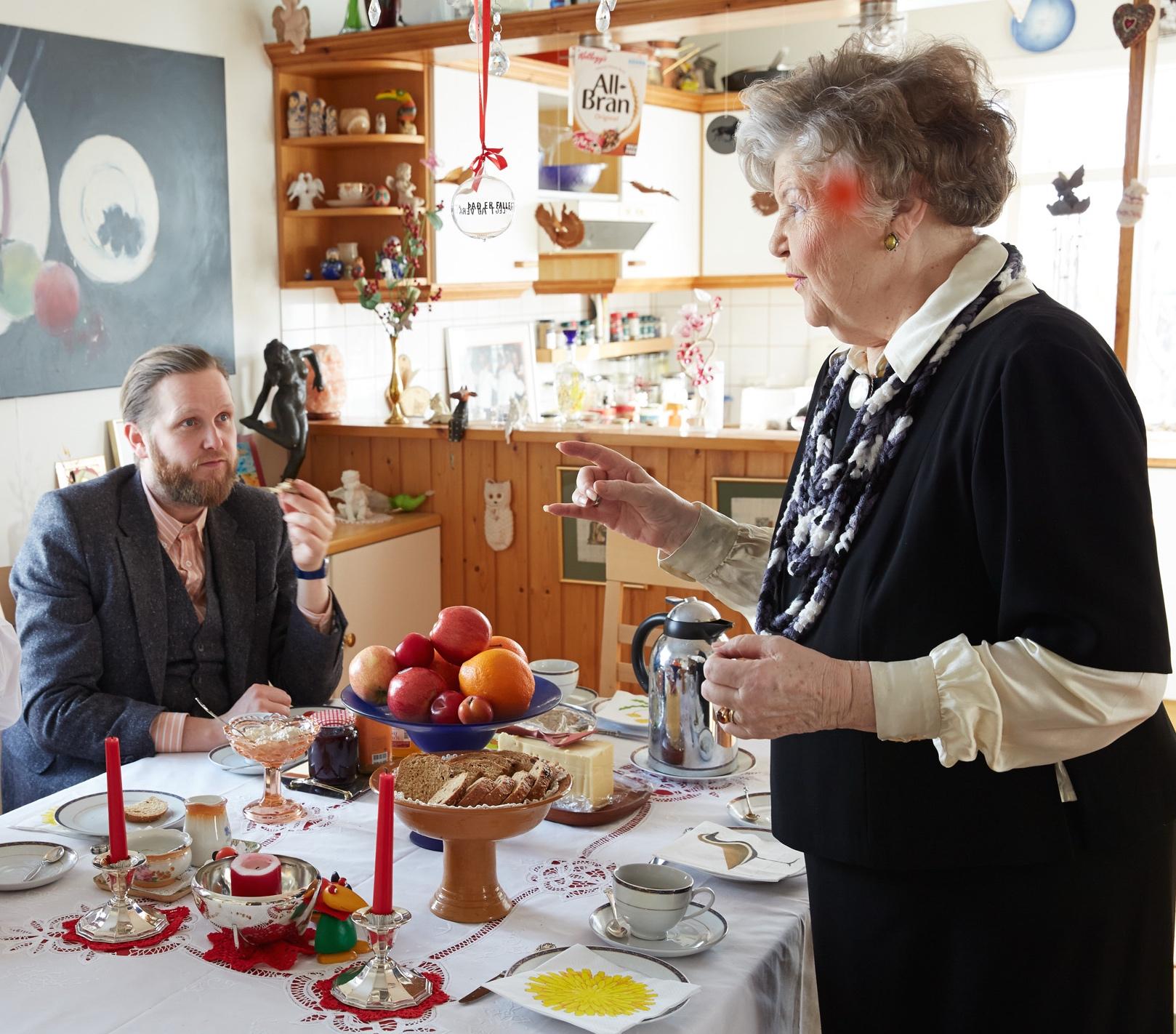
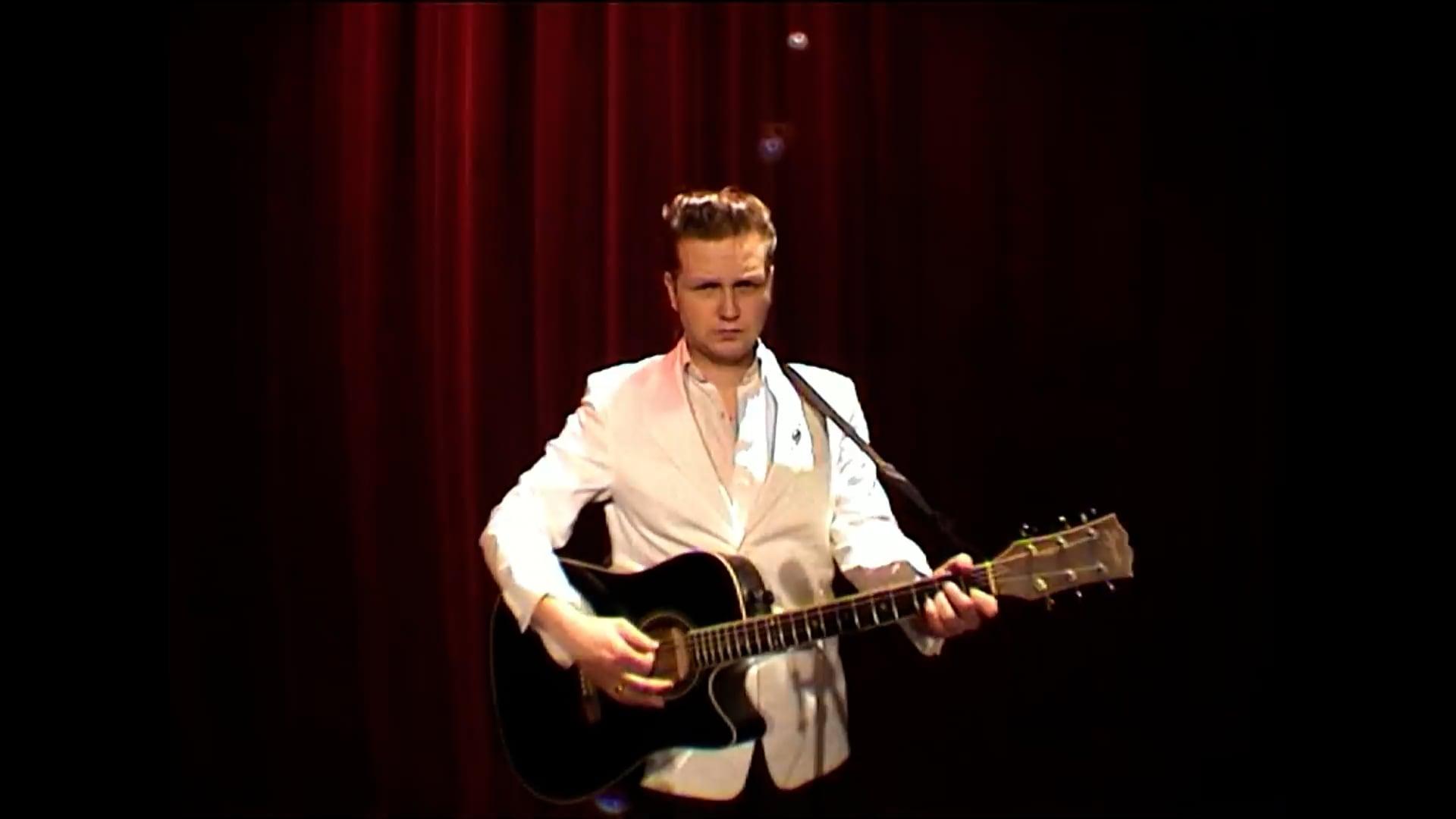
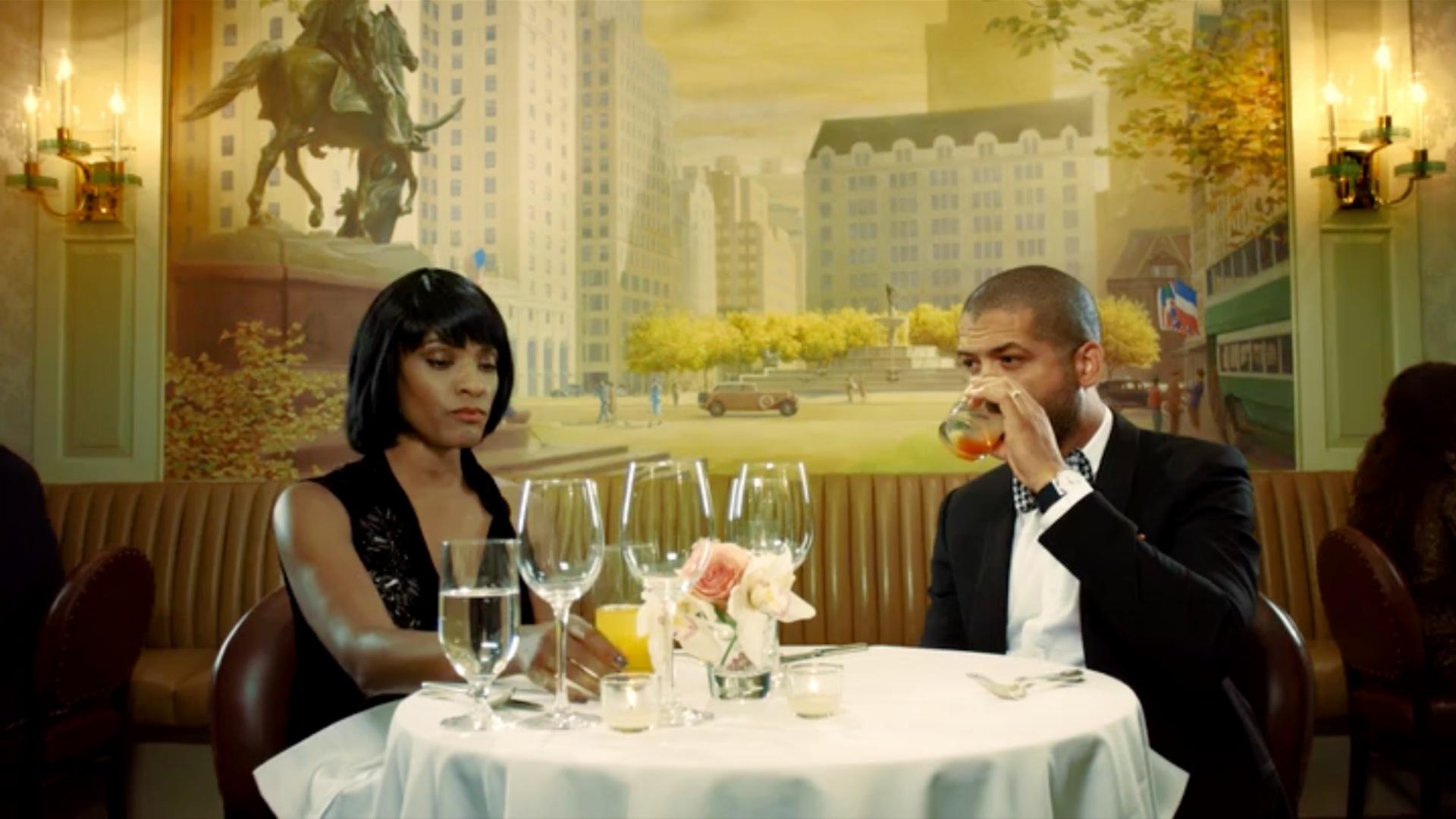
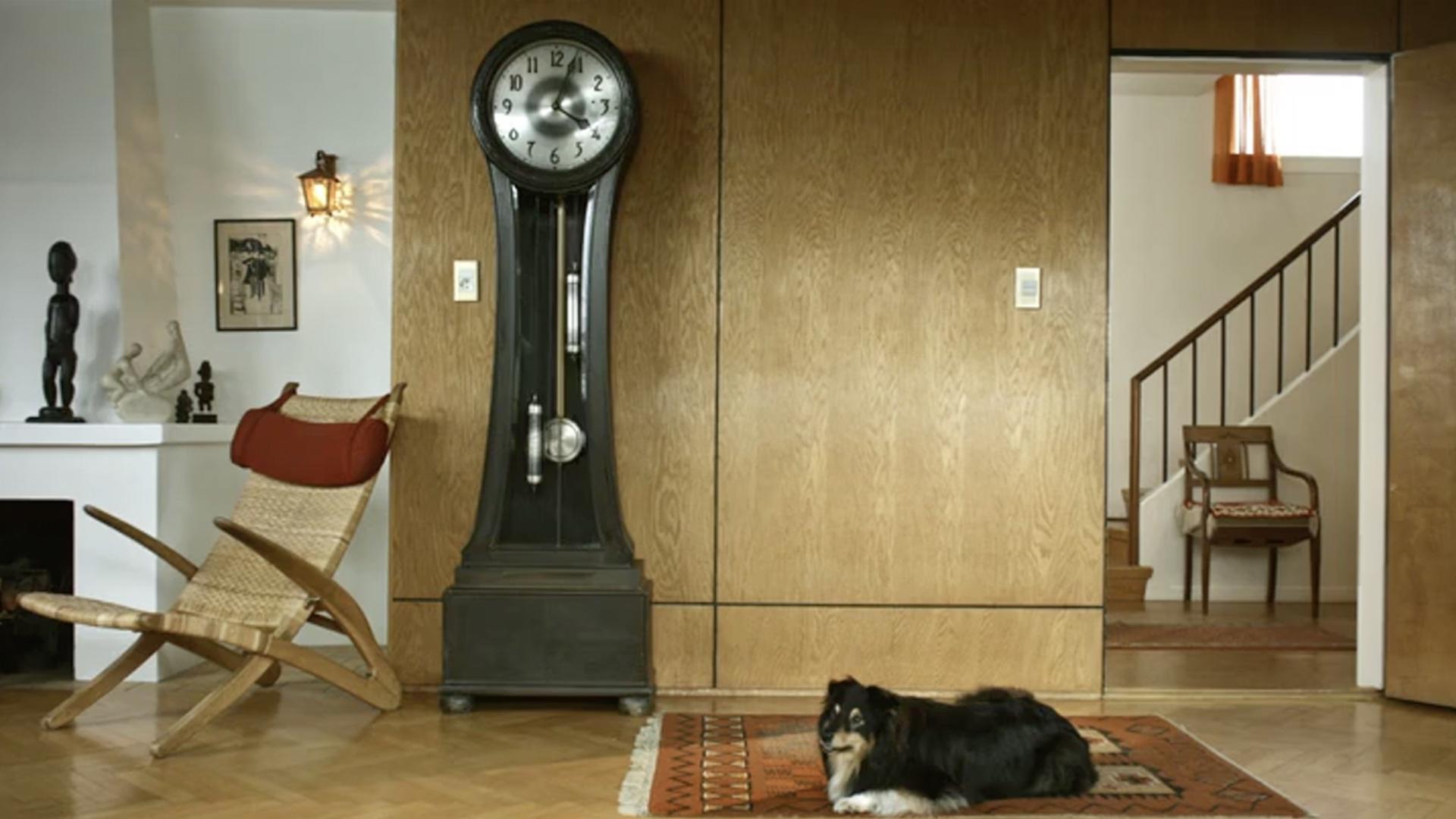
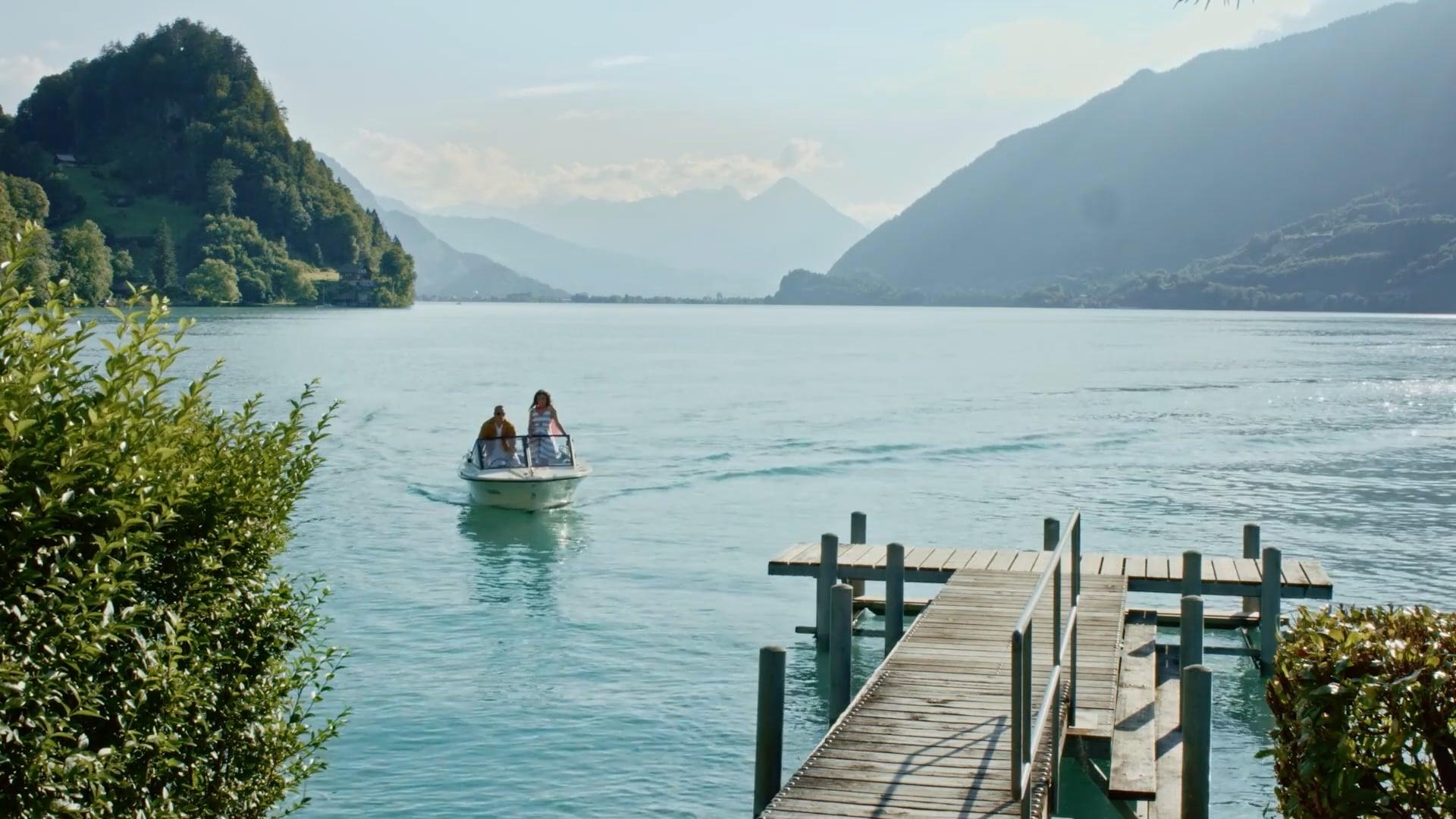
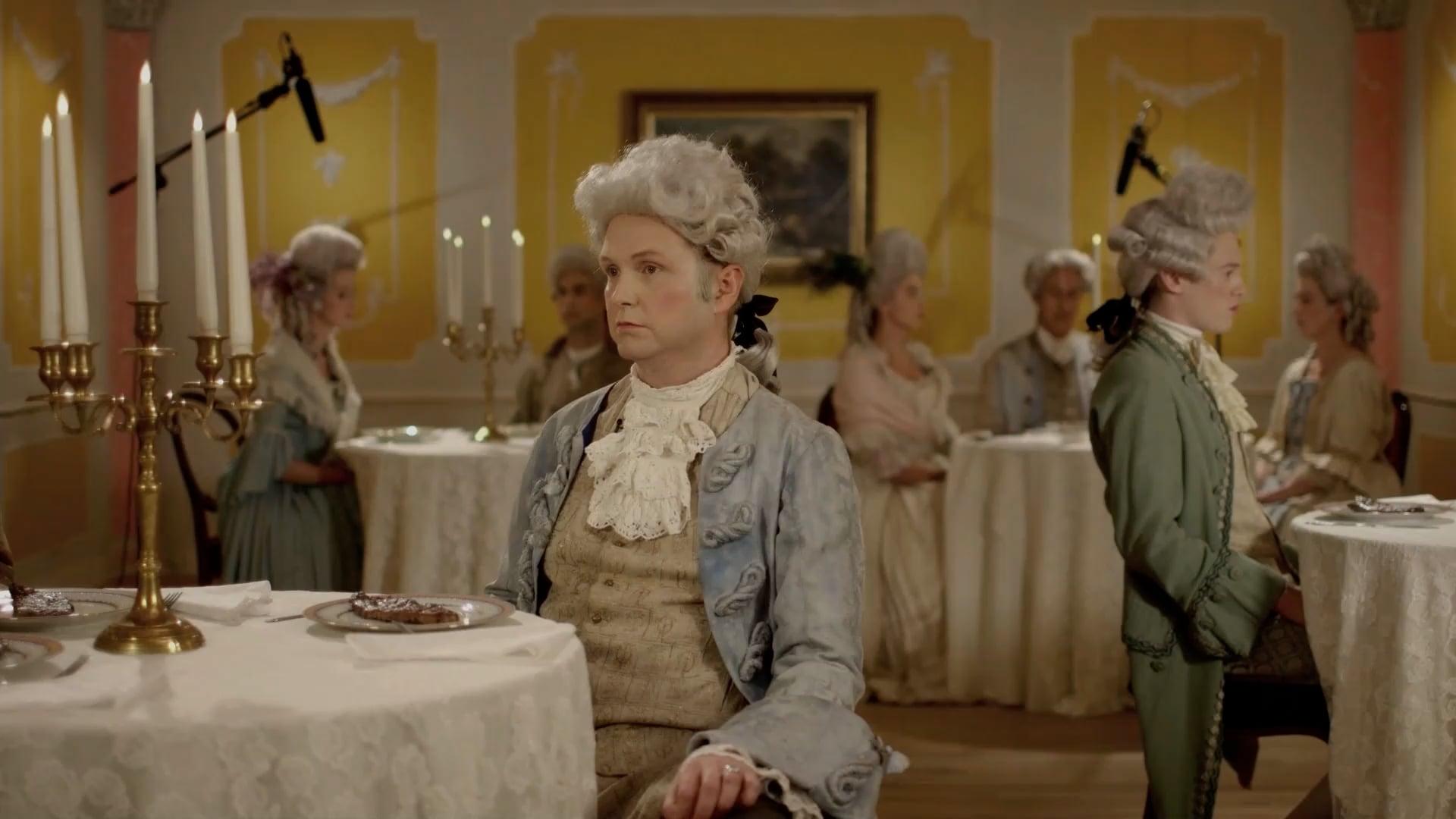
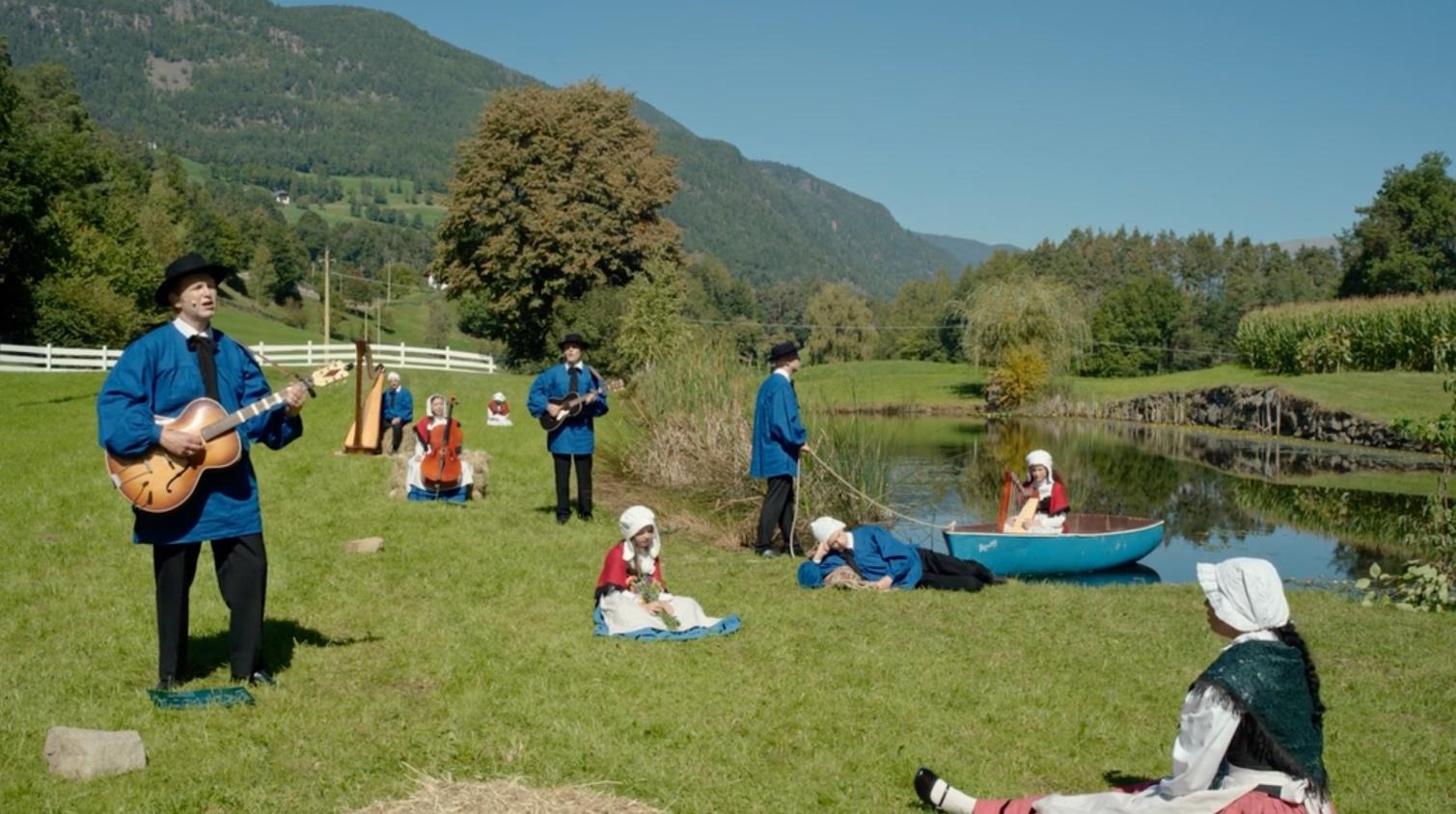
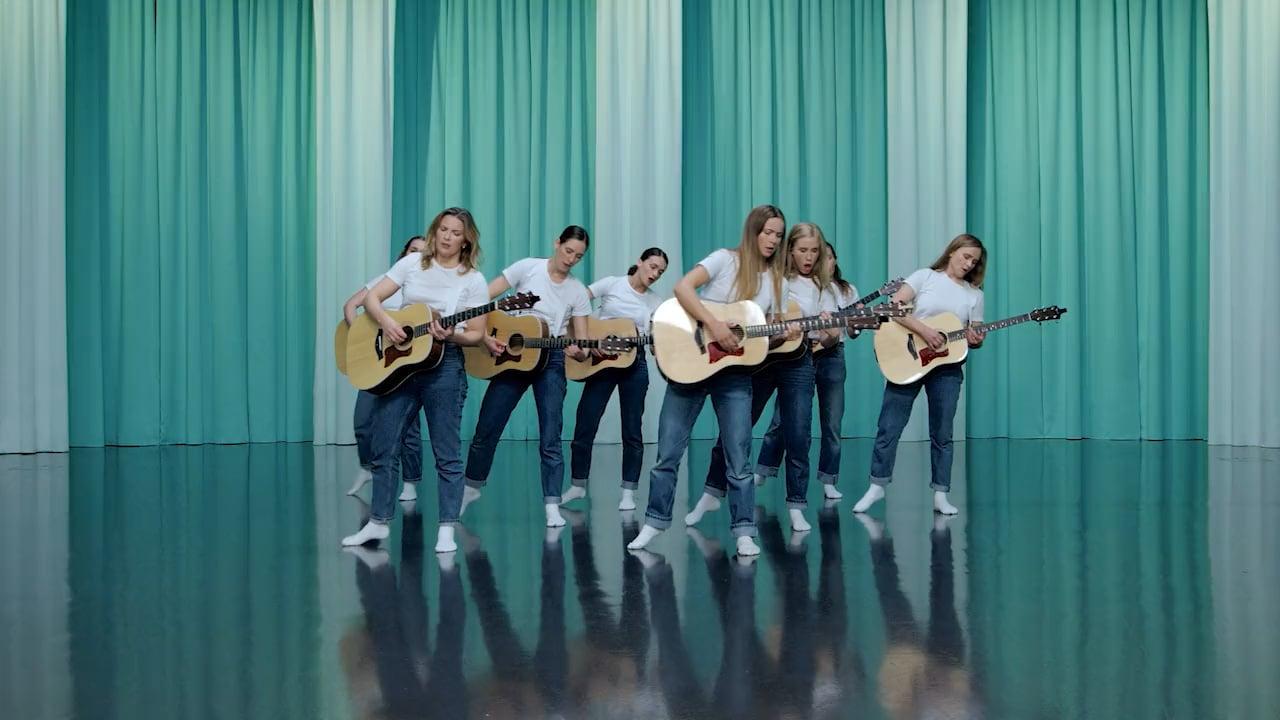
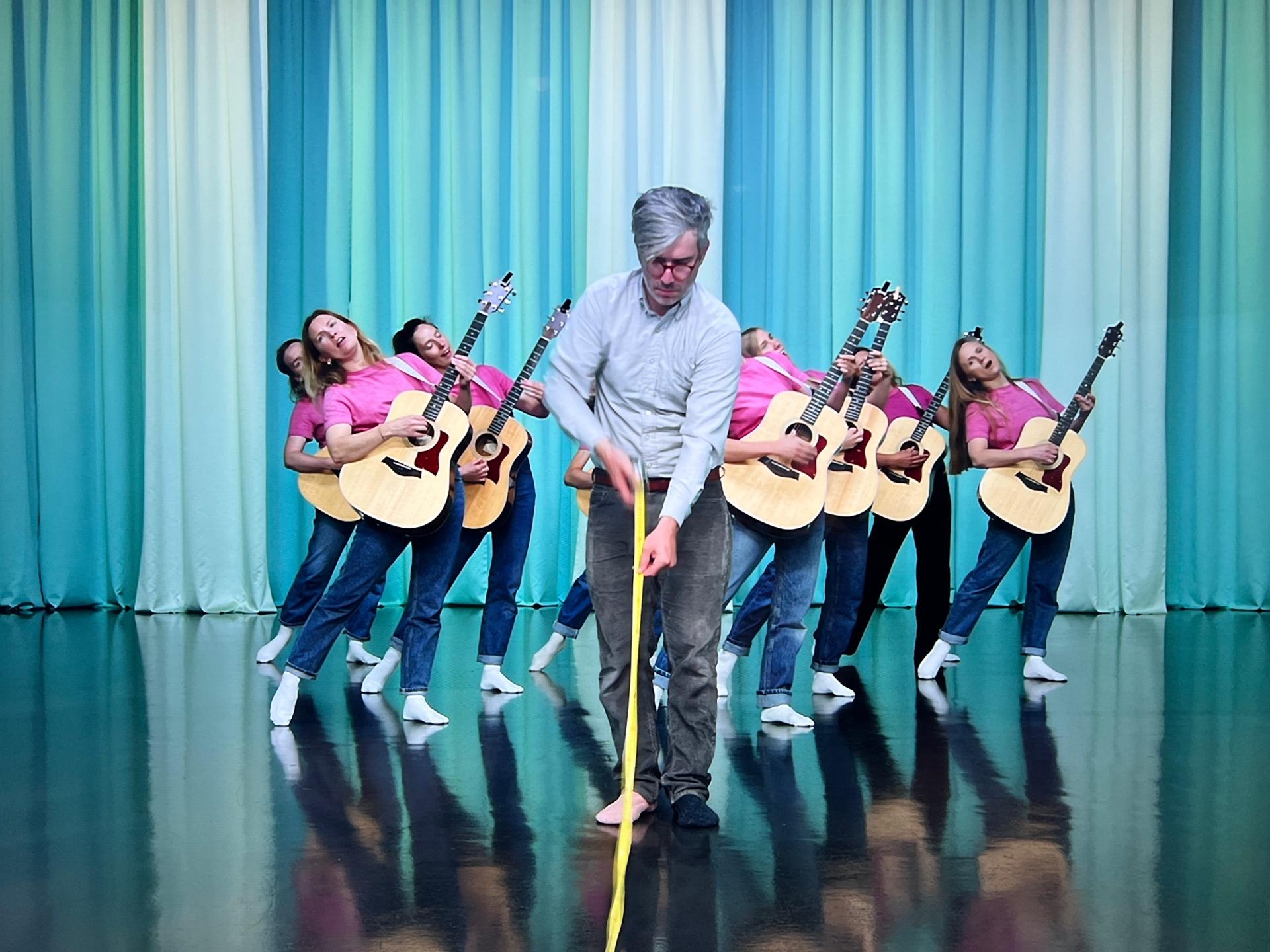
Steak (Variation on Meat Joy) 2013
Ragnar Kjartansson
As a child I would put a towel around my shoulders and get out a broomstick and just lie on the floor and be a dead king. I would imagine the funeral procession and how his reign was ending. It’s because I saw the graves of the dead kings in Roskilde in Denmark, where all the Danish kings are buried. There’s always this sense of that game when I make performance art, because I never played the role, I just put on clothes as the dead king. I was just myself lying there thinking about the dead king.
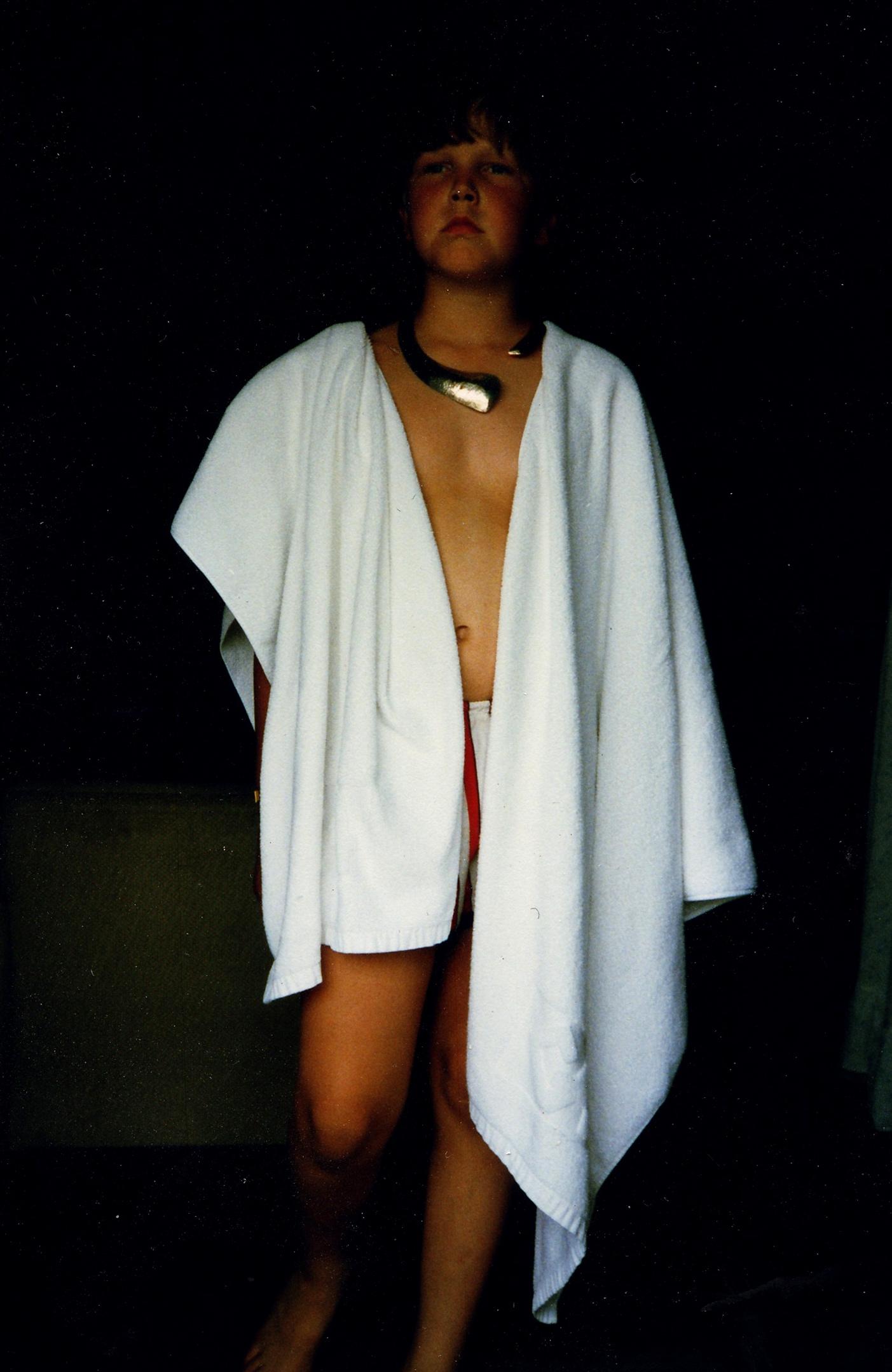
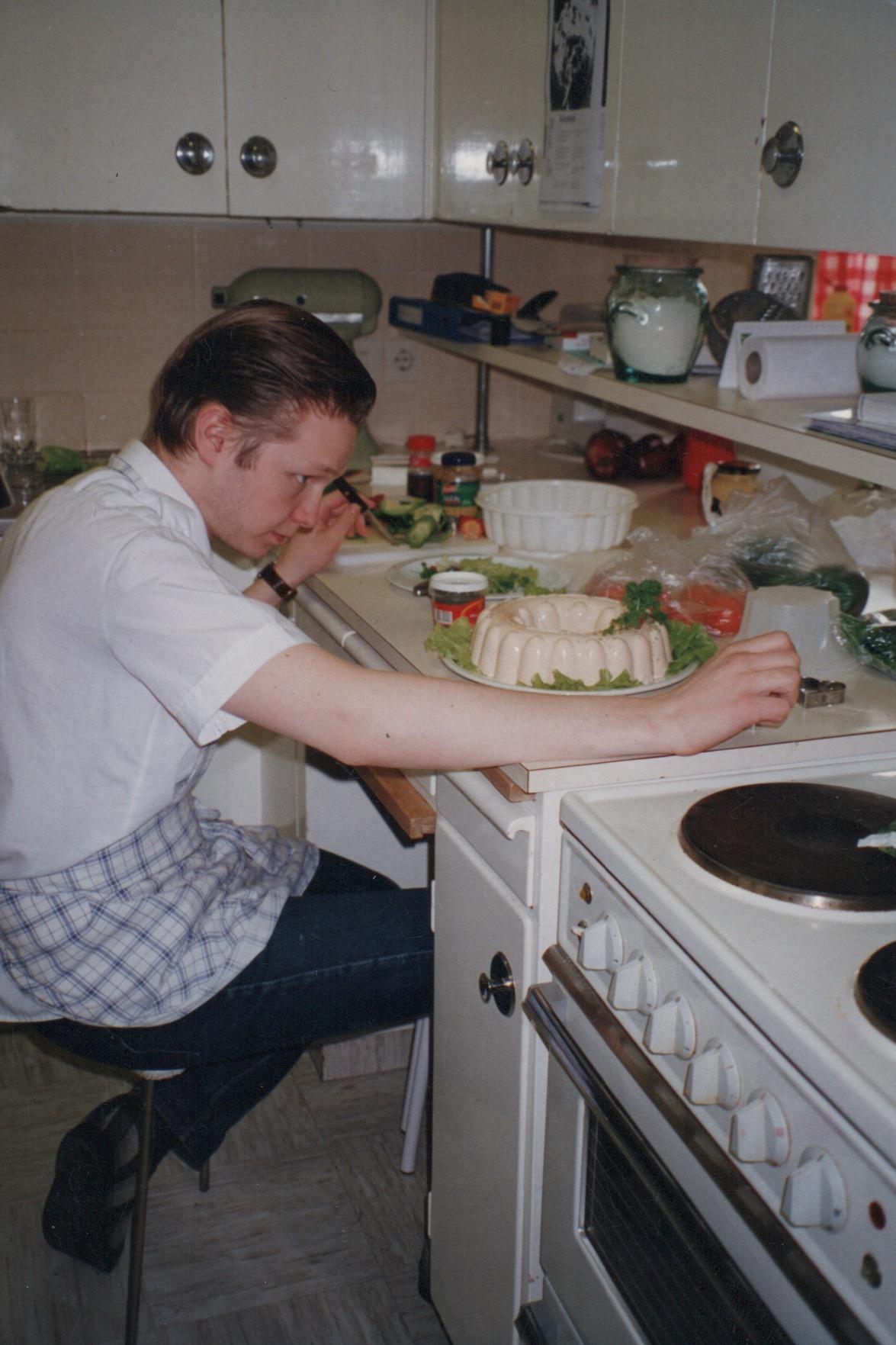
The artist dressed as Apollo, Athens, 1986
Ragnar Kjartansson
It’s a very similar approach to making performances. I just put on a costume but I never put on a role… I never actually play someone. That was the thing, that was also why I couldn’t do theatre, because I was always trying to ‘do theatre’ but I never could, I never could be in a role. I just didn't get it. I just like being in a costume and saying lines. But I am always just myself.
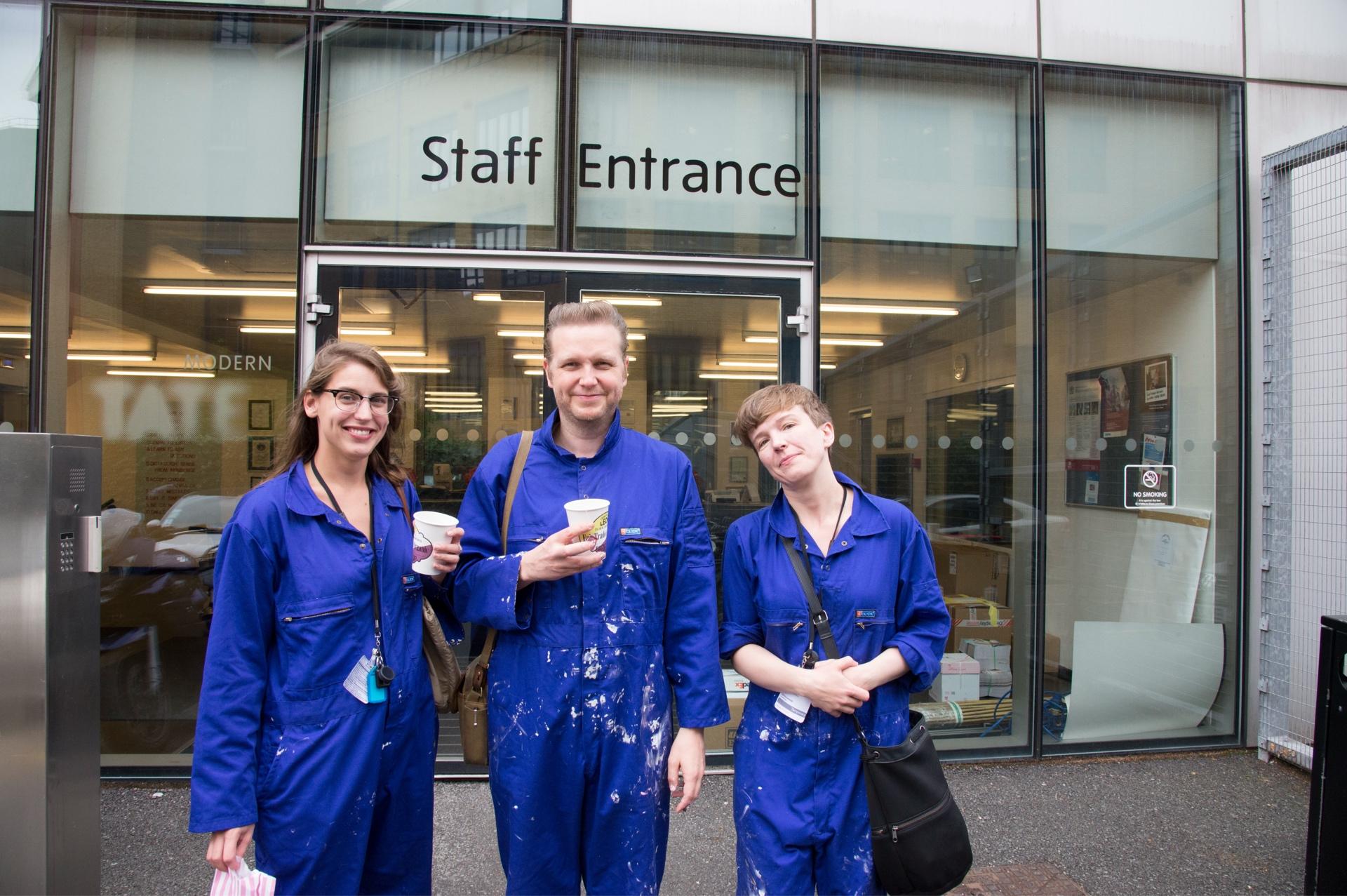
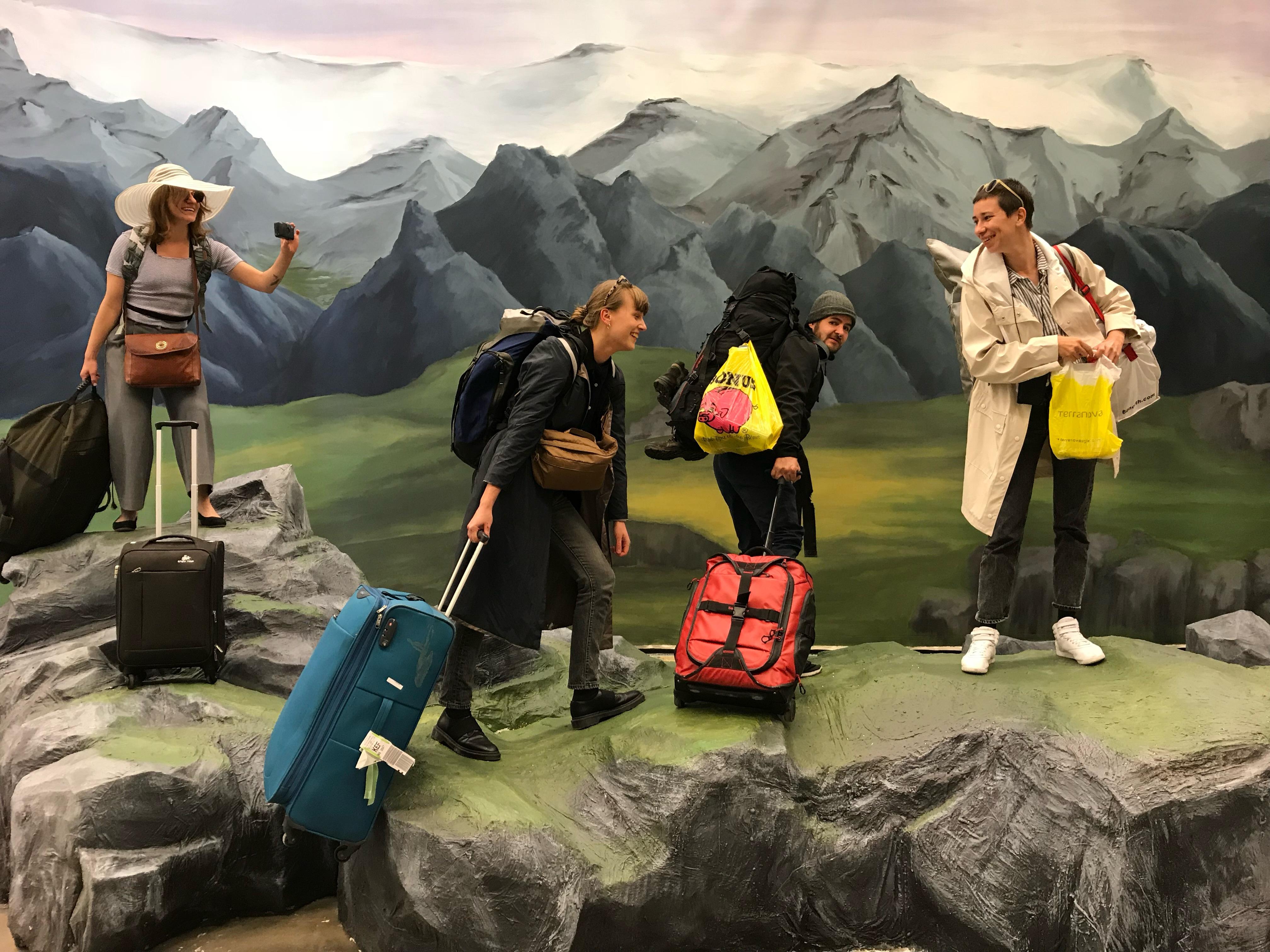
Ingibjörg Sigurjónsdóttir, Ragnar and Lilja Gunnarsdóttir during preparations for the performance of Steak (Variation on Meat Joy) at Tate Modern
Ragnar Kjartansson
My love of the Rococo period goes back to seeing the film Amadeus (Miloš Forman, 1984) when I was around seven. I went again and again to the cinema. I was given money to go to the cinema, so I saw it like seven times. I was also always drawing characters in Rococo clothes.

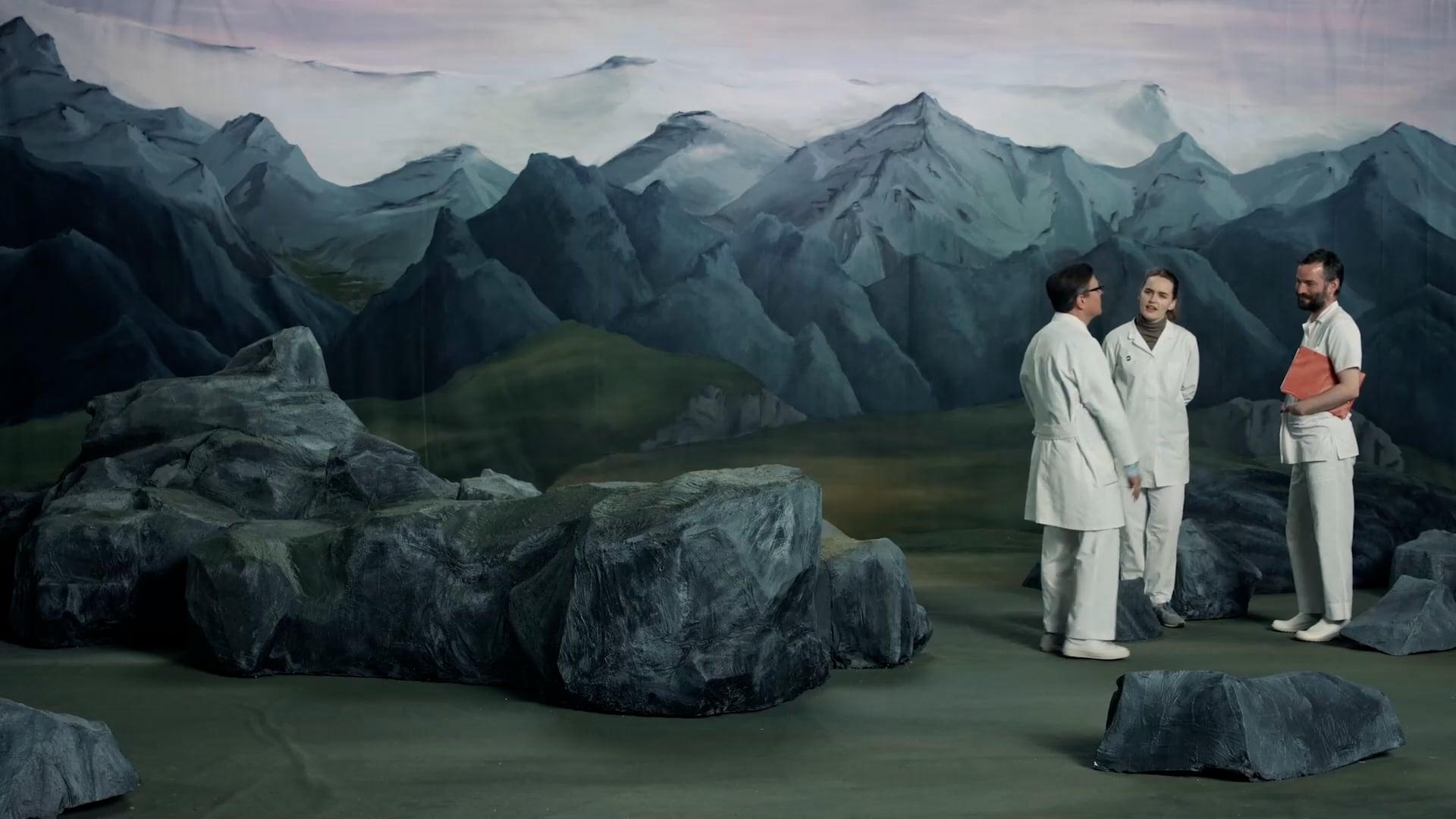
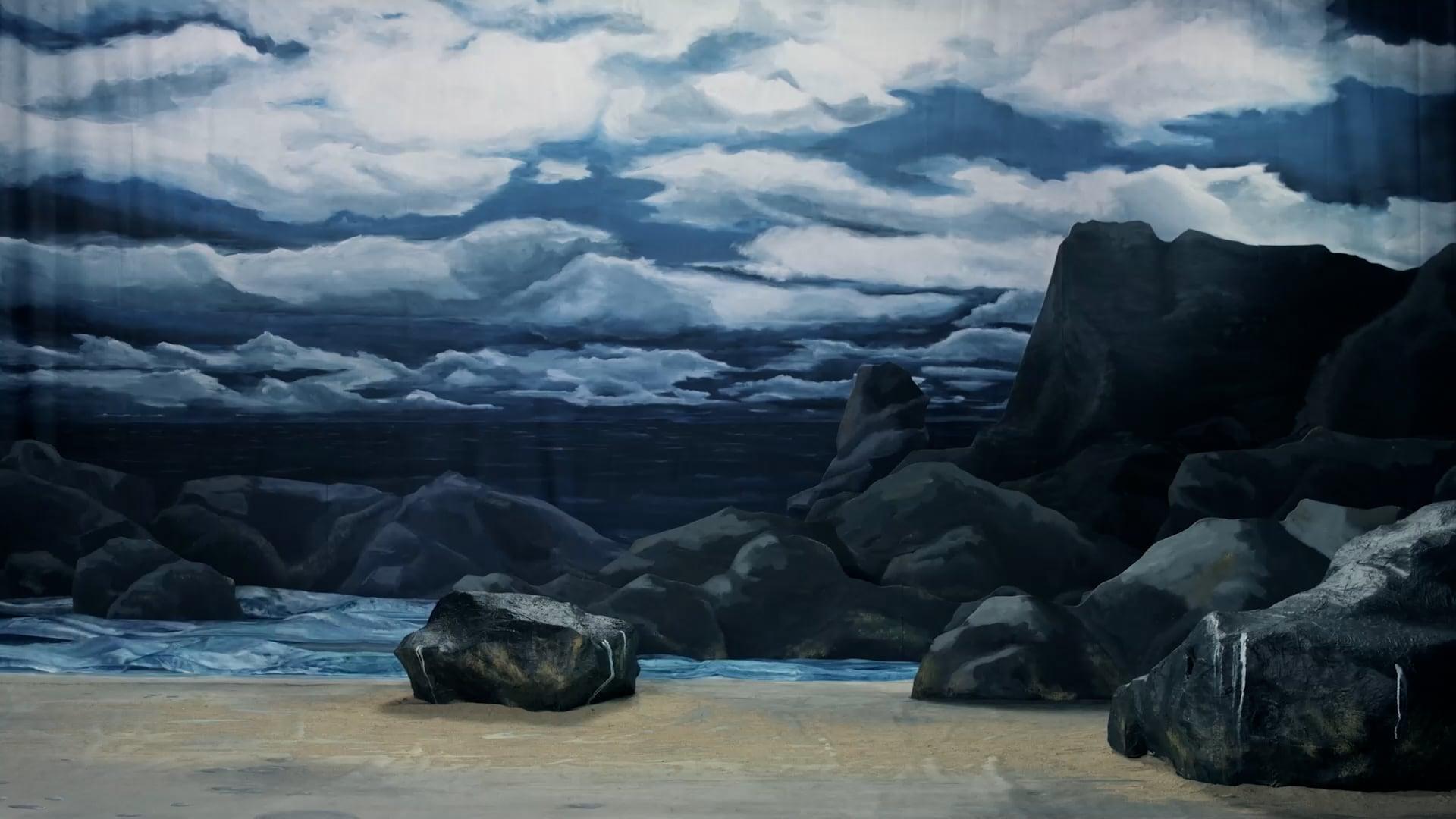
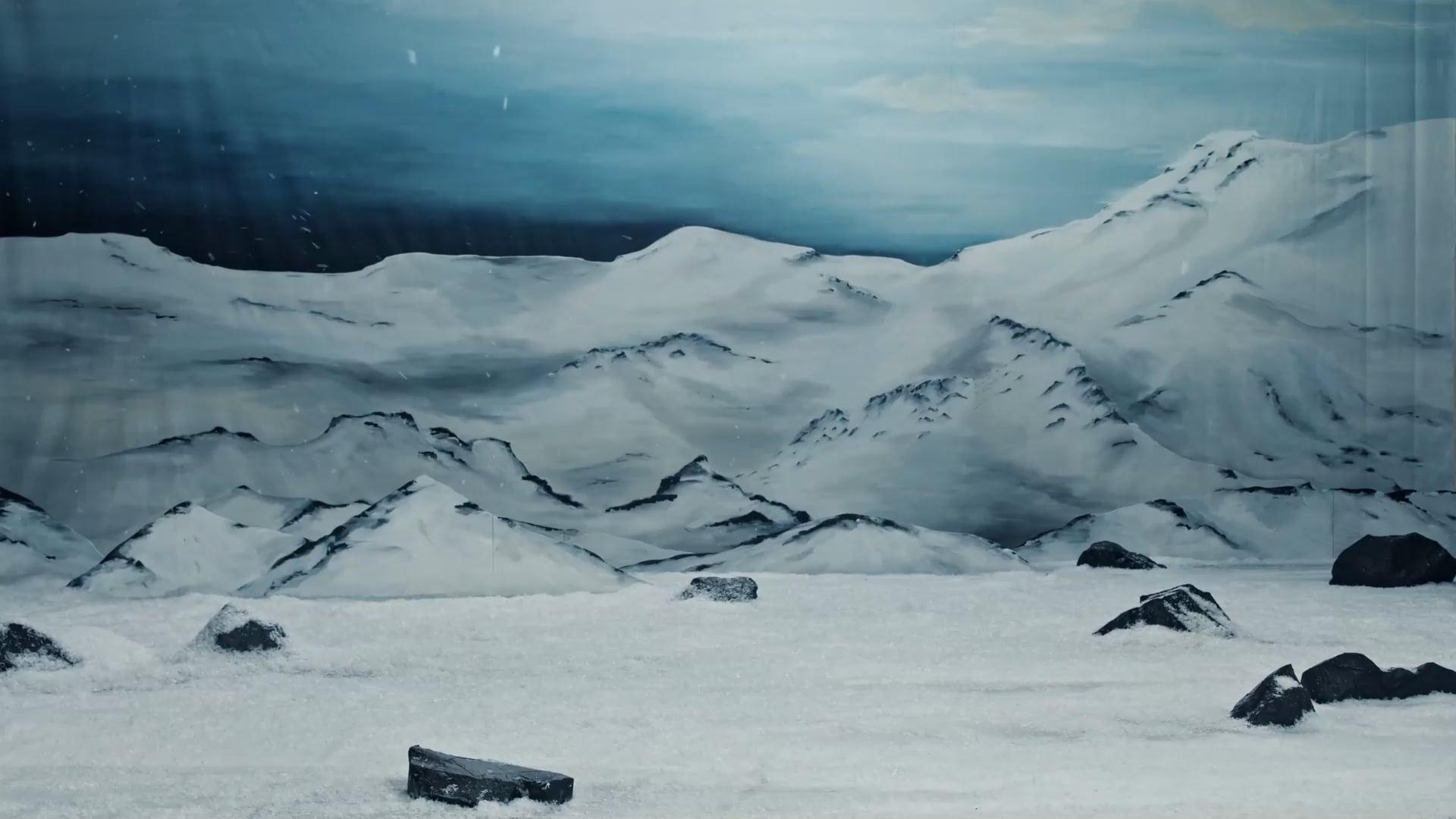
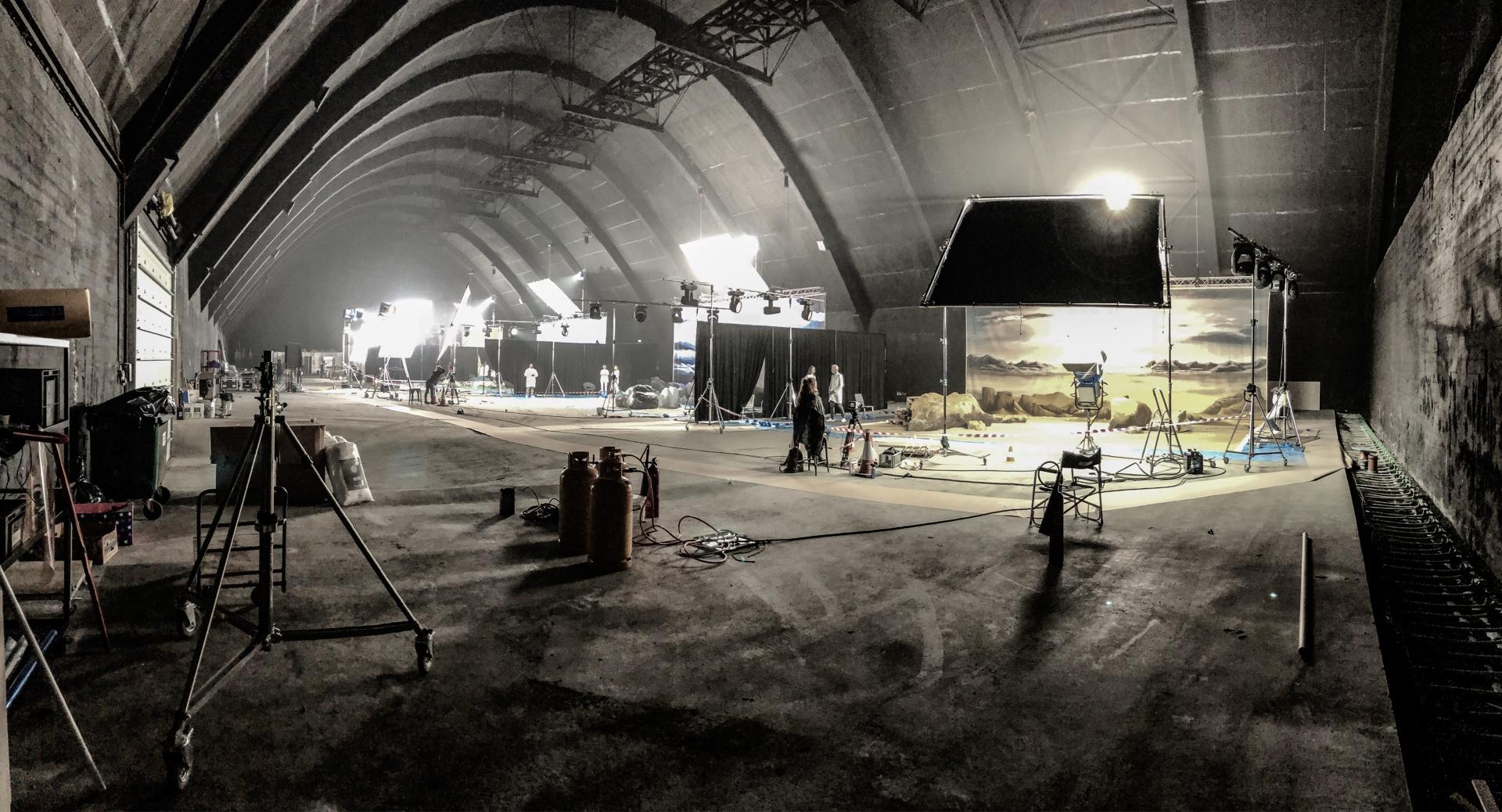
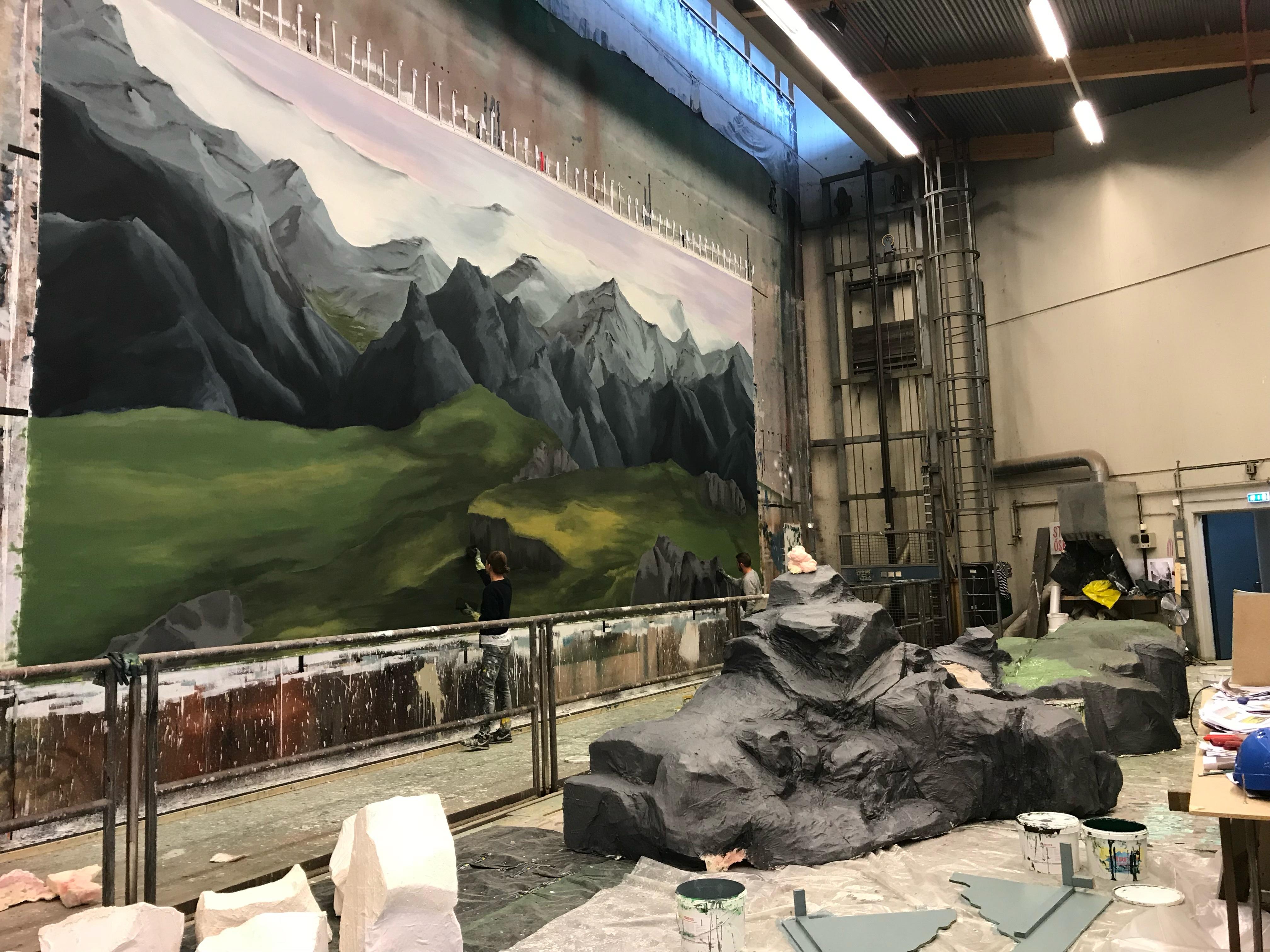
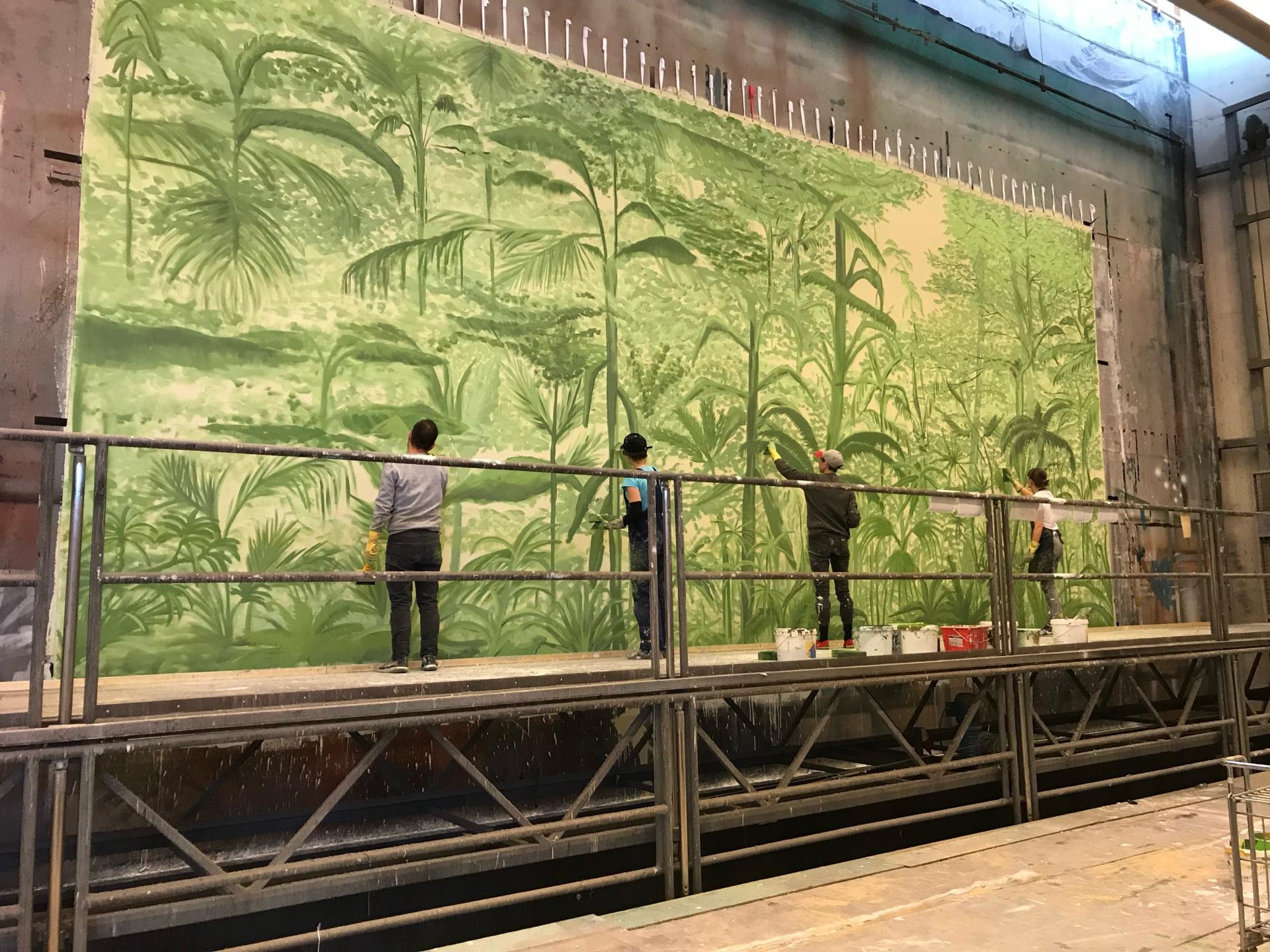
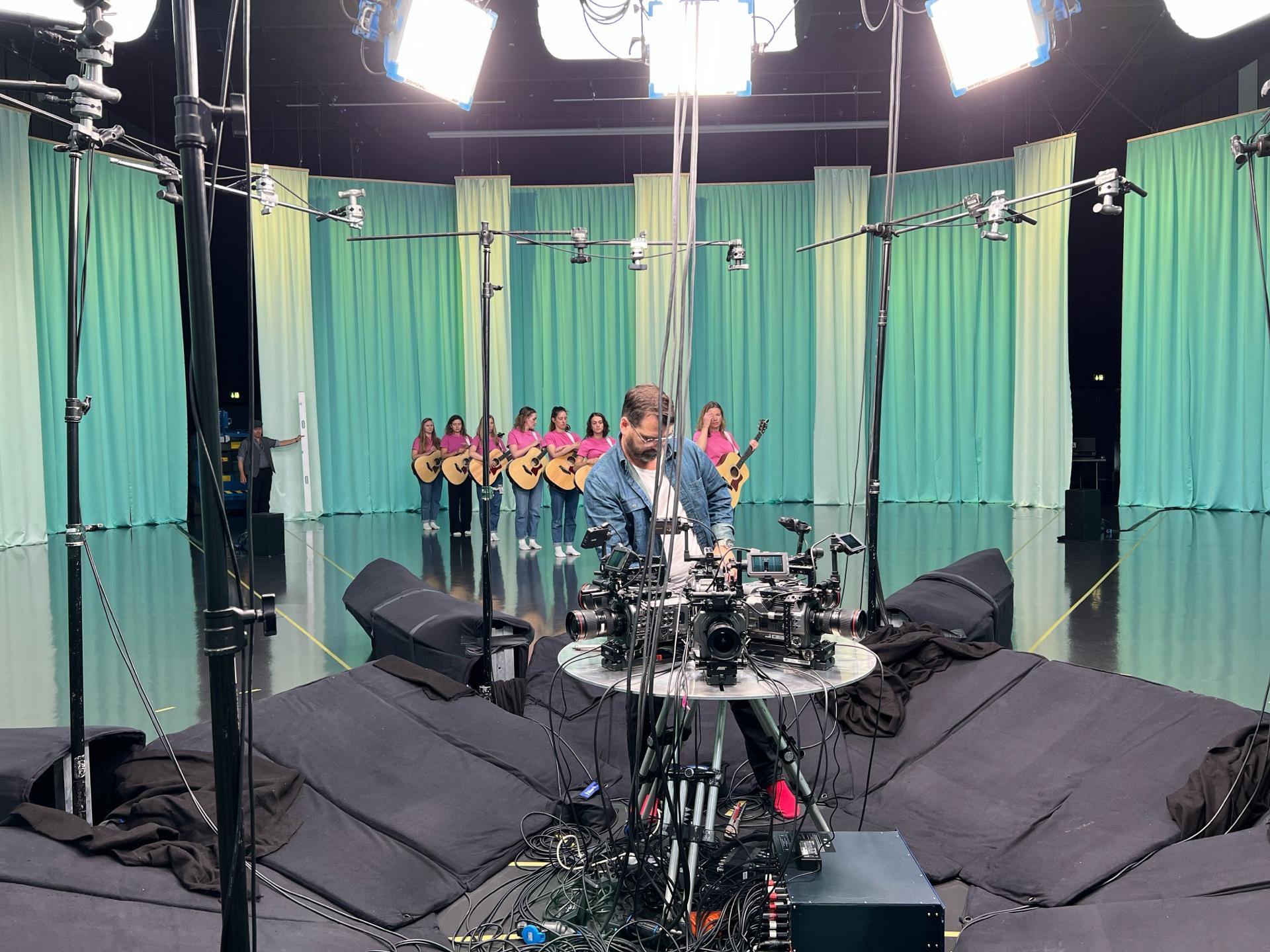
Ragnar painting the space for the performance and video work. Photo: Lilja Gunnarsdóttir
Ragnar Kjartansson
There’s a frivolity to the Rococo period that’s always enchanted me. Being raised in the twentieth century, in like, modernism, was just so much the opposite of enchantment. I remember my dad and granddad always kind of making fun of Rococo, that it was ridiculous, just artifice and somehow not true or real art. I think a lot of what was discussed in negative terms when I was a kid, later I became interested in. It’s like, ‘Why do you hate this? I’m going to hate it too, but in a loving way.’
It reminds me of something the twentieth-century art historian Kenneth Clark said. I really like Kenneth Clark – it’s really egocentric, he was somebody telling art history completely from his perspective, a 1960s view of the world. He talks about the aristocracy in the eighteenth century with this beautiful description, 'They were as ignorant as swans'. It’s a beautiful description, to be as ignorant as a swan.
During the Rococo period, people in the upper classes had seriously sensual lives. It’s the period when humanism really begins – ironically in this time of frivolousness and almost ridiculous appearance – with sharp, brilliant thoughts. Rococo offers this pursuit of pleasure and happiness. I think about the American Declaration of Independence, which has this line ‘the pursuit of Happiness’. That could only have been said in the Rococo era. Of course, this is all about those writing it rather than those shining the shoes of those who are writing it. There is the brutality. What’s also enchanting about the period is there is all this pleasure in stomping on the heads of others. Maybe it’s that evilness that I’m also attracted to, those benefiting from the sacrifices and oppression of others.
To make all this pleasure last, you really have to whip others into obedience. Of course, its way more complicated than this. My father was a socialist and I was raised to think that things like this were the ultimate disgusting thing. That’s why the French Revolution occurred, because of all this excess. Maybe it’s because it’s such a metaphor – the whole Rococo era is such a metaphor.
I was so scared making this piece because I have this problem: things can get really stuck in my throat. I was eating the steak without having anything to drink with it. I was so scared it was going to be stuck in my throat. I was just totally scared. Why did I put myself into this position? It’s probably the most scary performance I’ve done because, for me, eating a steak without water is so scary. Once a steak got stuck in my throat for four days. In the piece I couldn’t drink water because I wanted it to be just steak. No pleasure.
Artwork credit
Ragnar Kjartansson
Icelandic 1976–
Steak (Variation on Meat Joy) 2013
single-channel video with sound
23 min 11 sec
Courtesy of the artist, i8 Gallery, Reykjavik and Luhring Augustine, New York
Original performance commissioned as part of BMW Tate Live: Performance Room, Tate Modern, 2013