Art has the unique ability to transport us to different worlds, cultures and experiences, all without needing to take even one step. In this issue of NGV Magazine, the NGV Collection becomes the vehicle for examining surprises in everyday places, and the rich relationships between place, creativity and identity.
Digital Exclusives
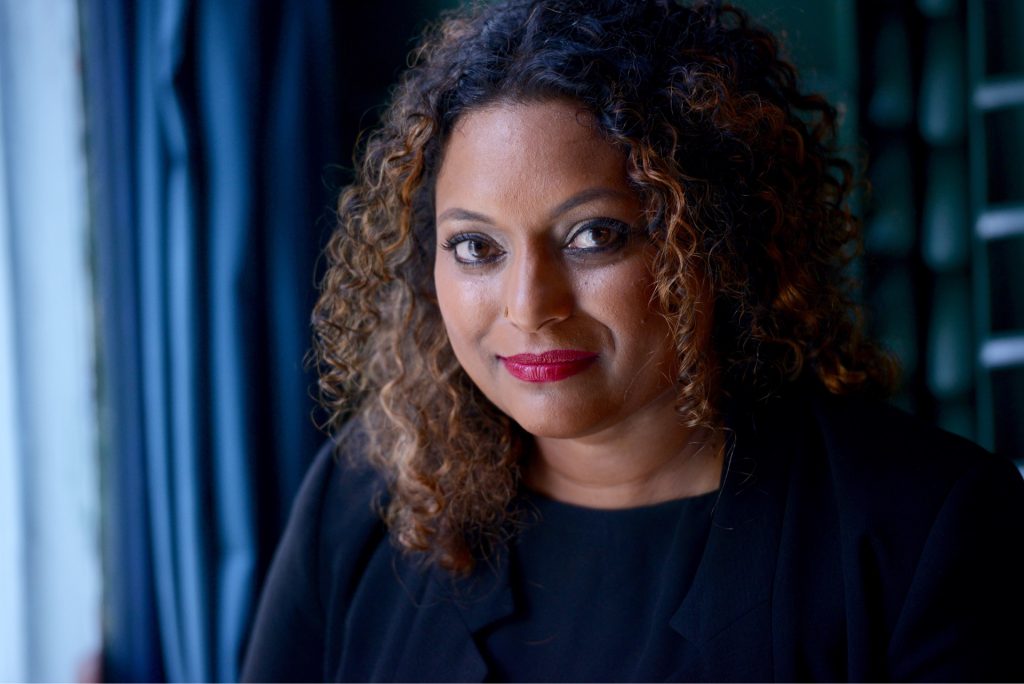
Guided by a range of works in the NGV Collection, listen to Australian author Roanna Gonsalves’s essay that considers how preconceptions around cultures and places transform over time.
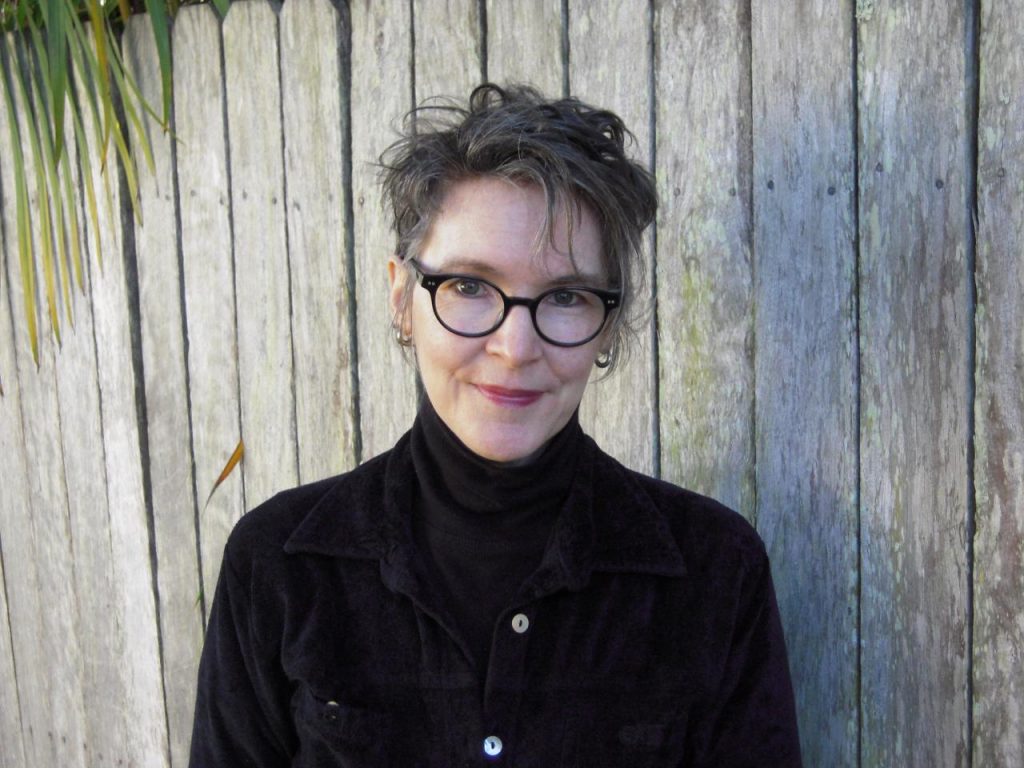
Be transported to a radically changing 1930s Sydney as Emma Ashmere reads her short story inspired by Grace Cossington Smith’s painting The Bridge in-curve.
In this video created to accompany the NGV Magazine feature ‘A sip around the world: Tea culture in the Collection’, Melbourne designers Ben Landau and Lucile Sciallano, from experimental design studio Alterfact, explain the processes behind their one-of-a-kind teapots, made using 3D clay printers that the designers have built themselves.
Art from the Tiwi Islands: a conservation perspective
By Raymonda Rajkowski, NGV Conservator of Paintings
Natural ochre is one of the most important materials used by Indigenous Australian artists. Ochre refers to various coloured rock and clay deposits found in the earth. Traditionally used as pigments, they form highly distinctive surfaces of paintings, particularly when mixed into a paint of a thicker consistency. The result is a matte and heavily textured paint layer, often with clumps of ochre sitting proud on the surface. These textural qualities make ochre paintings not only visually captivating but also very fragile. From a conservation perspective, Indigenous ochre paintings require special care due to these distinctive qualities and their vulnerability.
A close look at Johnathon World Peace Bush’s Tiwi yoyi, 2018, demonstrates just how uniquely textured ochre paintings can be. Thick, opaque and velvet-like ochre colours form the intricate features of the central figures. Yet Bush has also modified the consistency of the paint by diluting it to incorporate more fluid ochre layers and lines. This is Bush’s distinctive painting method: ‘I paint with dripping, using black charcoal, white, red and yellow ochres down the canvas. It’s my own style, my own idea.’ 1Johnathon World Peace Bush cited in Jilamara Arts & Crafts Association, ‘Artist Profile’, <www.jilamara.com/artist/johnathon-bush>, accessed 1 Aug. 2020
Discover further insights into the unique techniques and materials used in Tiwi yoyi by clicking on the following three areas of the work:
COLLECTION SPOTLIGHT: ARTICULATE LANDSCAPES OF VICTORIA
In this issue of NGV Magazine, Caitlin Breare, NGV Conservator of Paintings, looks closely at British-born Thomas Clark’s 1867 painting The Upper Falls on the Wannon. In this portfolio, take a look at other works in the Collection by Clark’s contemporaries, each offering distinct impressions of the Victorian countryside in the early years of European settlement.