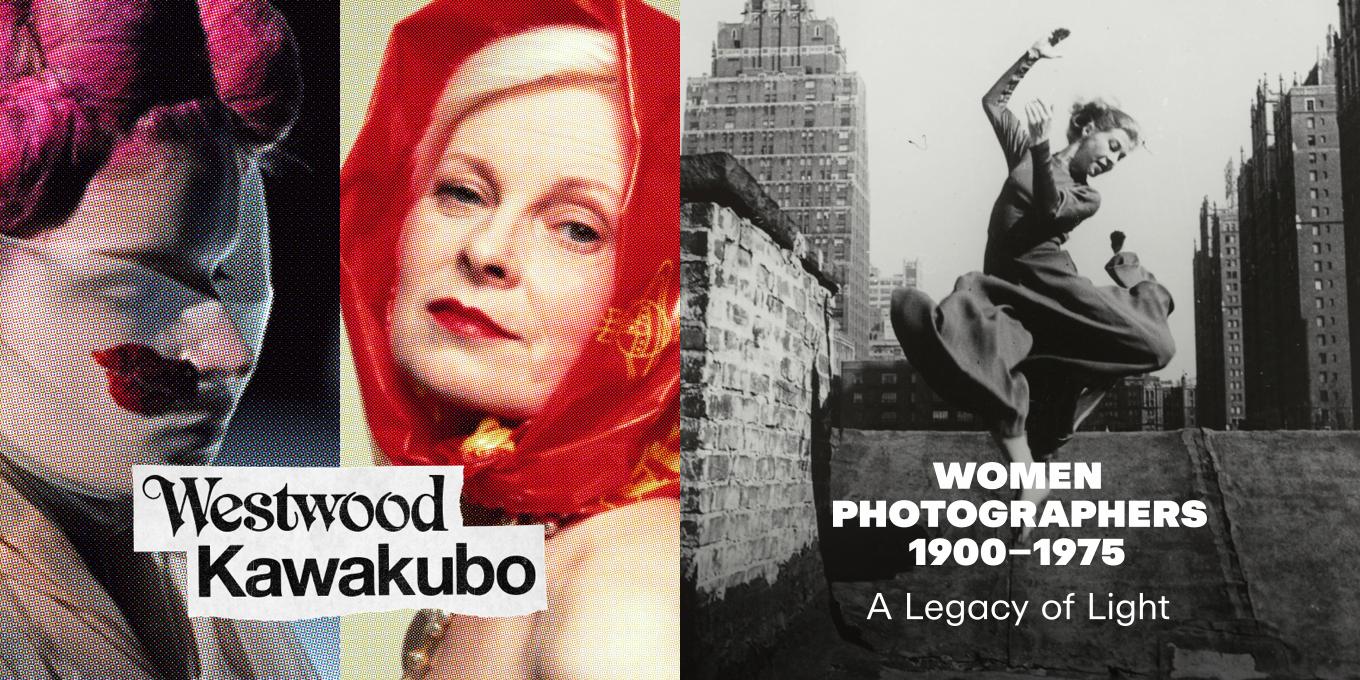
By the start of the twentieth century, photography was becoming increasingly accessible to the public in many cities around the world. Previously, the medium was practised by an affluent minority of amateur artists and commercial studios. However, the production of lower-cost cameras gradually opened up photography to the broader public, particularly the expanding middle class. At the same time, women began to participate in photography as both creators and consumers. For many women, photography offered a means of income, a way to document daily life, and a powerful tool for communication and activism.
In England, suffragettes actively used photography to create and share images that were integral to their campaign for women’s right to vote. The suffragettes constructed their images in photographic studios and in the streets, merging style and fashionable dress with politics and self-assuredness. These photographs became crucial in shaping the public image of the suffrage movement.
In Australia, May and Mina Moore ran a successful photographic business. Known for their dramatically lit portraits of stage performers, they responded to the appetite for stylised portraiture as popularised by the suffragettes. At a time of shifting gender roles, May Moore also advocated publicly for women to work in photography.